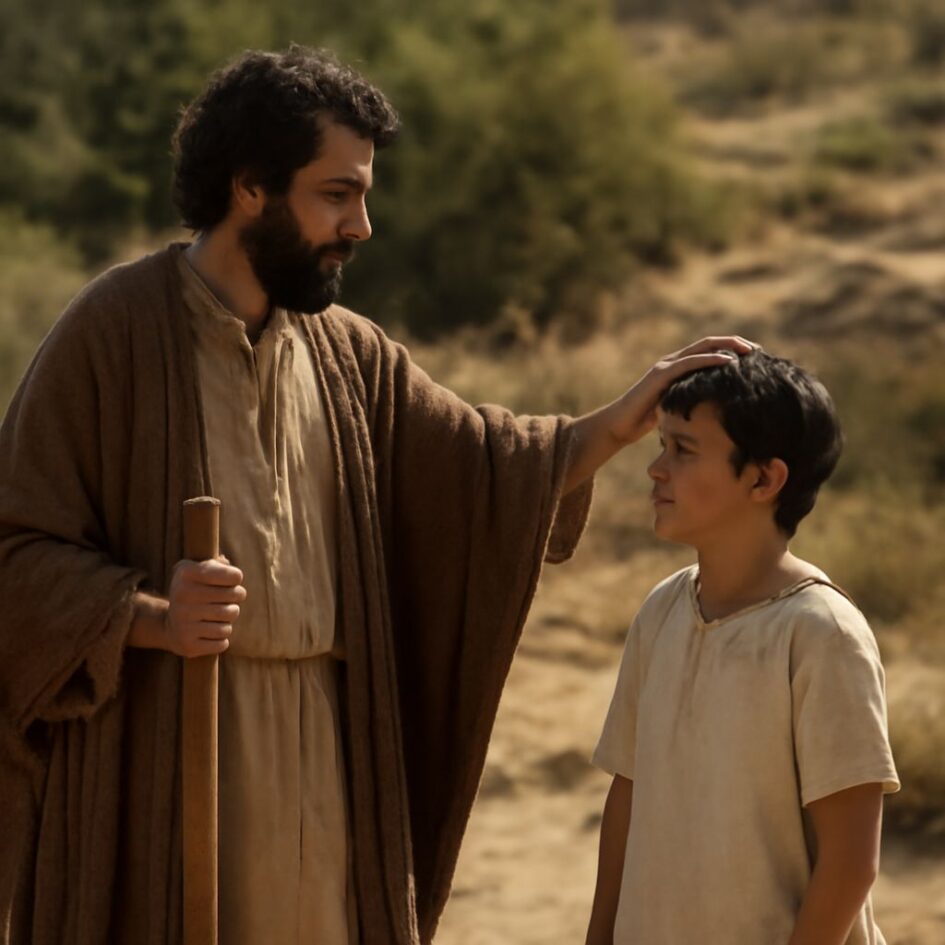
The Book of Exodus is the second book of the Bible and a critical narrative in the Judeo-Christian tradition. It details the journey of the Israelites from slavery in Egypt to freedom, highlighting their covenant with God. This book is foundational for understanding themes of liberation, faith, and law, shaping religious and cultural practices for millennia.
Introduction to the Book of Exodus
Exodus begins with the Israelites in bondage in Egypt, where they have multiplied greatly since the time of Joseph. Pharaoh, fearing their numbers, enslaves them and orders the killing of newborn Hebrew boys. However, Moses is saved by Pharaoh’s daughter and raised in the Egyptian court. As an adult, Moses flees to Midian after killing an Egyptian overseer. God later calls him from a burning bush to lead the Israelites out of Egypt.
Key Themes and Messages
One of the central themes of Exodus is liberation. The narrative depicts God’s intervention to free His people from oppression. The concept of covenant is also significant. God establishes a binding agreement with the Israelites, promising them guidance and protection in return for their obedience to His laws. The theme of law is exemplified by the Ten Commandments, which outline moral and religious responsibilities.
Major Stories and Events
The Book of Exodus is rich with significant events. The story of the ten plagues showcases God’s power and Pharaoh’s stubbornness, culminating in the liberation of the Israelites. The crossing of the Red Sea is a pivotal moment where Moses, with divine assistance, parts the waters for safe passage. Another key event is the giving of the Ten Commandments at Mount Sinai, where the Israelites receive the laws that will govern their community and faith.
Significance and Impact
Exodus holds profound significance in religious, cultural, and historical contexts. It marks the beginning of the Israelites’ identity as a free people bound by a covenant with God. The book’s themes have influenced legal systems, social justice movements, and religious practices. The narrative of deliverance and faith continues to inspire and guide communities across the world.