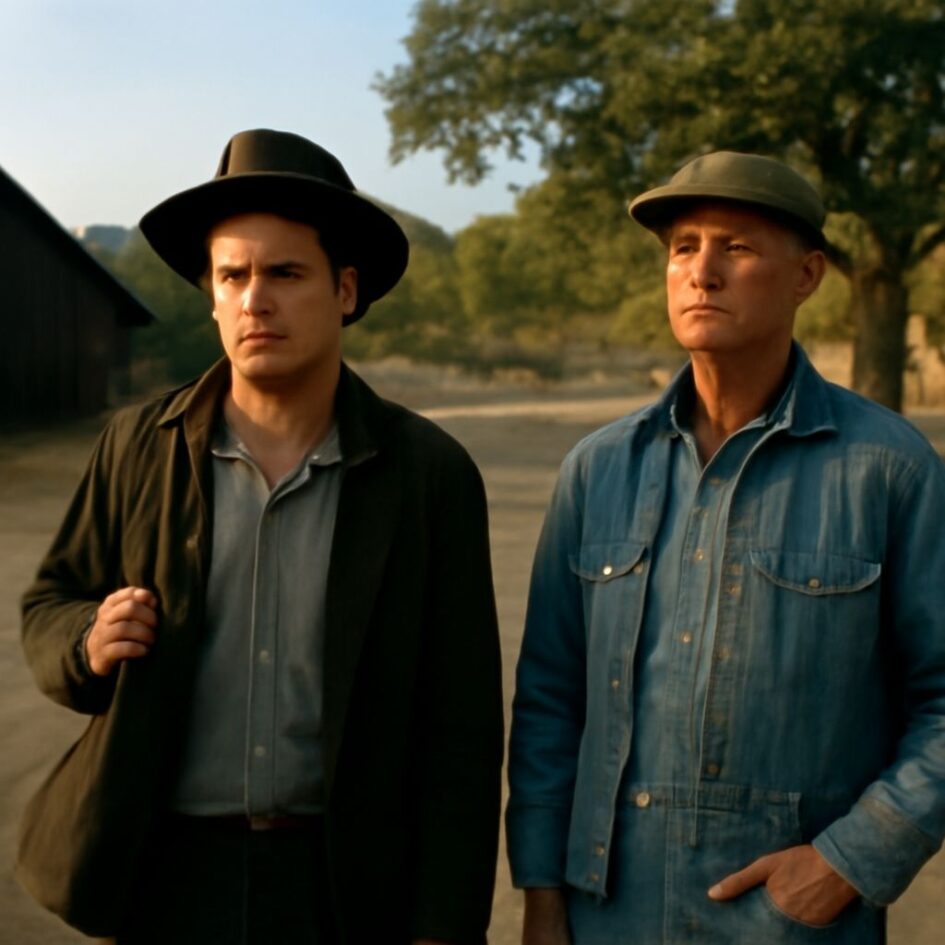
Chapter 2 of John Steinbeck’s Of Mice and Men is pivotal in setting the stage for the unfolding drama. This chapter introduces readers to the bunkhouse, a key setting that reflects the transient and harsh life of itinerant workers. It also introduces several characters whose interactions and dynamics reveal the underlying themes and tensions that drive the narrative.
The setting of the bunkhouse
The bunkhouse in Chapter 2 of Of Mice and Men serves as a microcosm of the world outside. It is a simple, functional space, reflecting the lives of the ranch workers who inhabit it. The bunkhouse is described as a long, rectangular building with whitewashed walls and unvarnished floors. It contains eight bunks, each with a burlap sack filled with straw for a mattress, underscoring the basic and often uncomfortable living conditions of the men.
This setting highlights the themes of isolation and impermanence. The lack of personal belongings and the interchangeable nature of the living space emphasize the workers’ transient lifestyles. The bunkhouse is more than just a place to sleep; it is a symbol of the rootlessness that defines their existence.
Key character introductions and dynamics
Chapter 2 introduces several crucial characters, each contributing to the tension and dynamics within the bunkhouse. George and Lennie arrive and meet Candy, the old swamper, who provides them with critical insights into the workings of the ranch. Candy’s old dog, symbolic of the fate that awaits those who outlive their usefulness, adds a layer of foreshadowing to the chapter.
Carlson, another ranch hand, is introduced and quickly reveals his practical but insensitive nature. His suggestion to put down Candy’s dog due to its age and smell illustrates the harsh realities of the environment. The character of Curley, the boss’s aggressive son, is also introduced. His confrontational demeanor and insecurity, especially regarding his new wife, create immediate tension.
Curley’s wife, although not present initially, is described through the men’s conversations. She is portrayed as flirtatious and potentially troublesome, further complicating the social dynamics. Slim, the skilled mule driver, stands out for his authority and respect among the workers, offering a contrast to Curley’s hostility.
Themes and tensions unveiled
Through these character introductions and interactions, Chapter 2 of Of Mice and Men unveils several key themes. The most prominent is the struggle for power and respect, as seen in Curley’s aggressive behavior and Slim’s quiet authority. The theme of loneliness is also evident, particularly in the isolation of the characters despite their close quarters. The bunkhouse setting amplifies this loneliness, as the men sleep side-by-side yet maintain emotional distance.
The tension between dreams and reality is personified by George and Lennie’s aspirations for a better life, contrasting with the stark reality of their surroundings. This chapter sets the tone for the impending conflicts and highlights the fragile nature of hope in a world marked by instability and hardship.
Chapter 2 of Of Mice and Men intricately weaves together setting, character dynamics, and thematic elements, creating a foundation for the story’s unfolding drama. The bunkhouse, as both a physical space and a symbolic element, plays a central role in articulating the challenges faced by the characters, making it a critical component of Steinbeck’s narrative.