The Odyssey, attributed to the ancient Greek poet Homer, is an epic poem that stands as a cornerstone of Western literature. It narrates the adventures of Odysseus as he struggles to return home following the Trojan War. This epic weaves a tale of perseverance, loyalty, and the human spirit’s resilience, captivating readers and influencing storytelling for centuries.
Overview of The Odyssey
The Odyssey by Homer is a sequel to The Iliad and consists of 24 books or sections. The narrative begins ten years after the fall of Troy. It captures the prolonged journey of Odysseus as he attempts to return to Ithaca, where his wife, Penelope, and son, Telemachus, await. The epic poem unfolds through a series of encounters with mythological creatures and deities, each presenting challenges that test Odysseus’s wit and endurance. The journey is fraught with peril, including confrontations with the Cyclops Polyphemus, the Sirens, and the sea god Poseidon’s wrath.
Key themes and motifs
Several key themes and motifs permeate The Odyssey. One of the central themes is the concept of homecoming, or “nostos,” which drives Odysseus’s actions and decisions. Loyalty and perseverance are also prominent, exemplified by Penelope’s steadfastness and Telemachus’s growth into maturity. The motif of hospitality, or “xenia,” is significant, showing the importance of treating strangers and guests with respect and generosity. Additionally, the theme of cleverness over brute strength is evident in Odysseus’s various escapades, illustrating the value of intelligence and cunning.
Odysseus’s journey
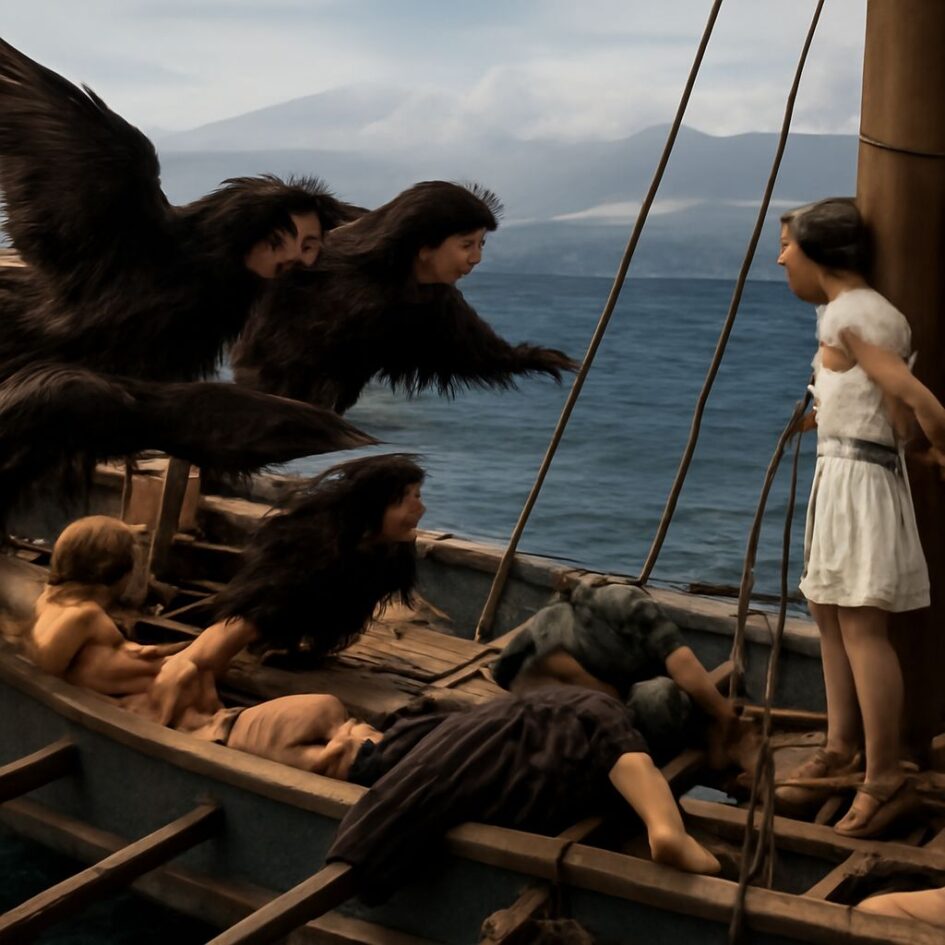
The journey of Odysseus is central to The Odyssey summary. It takes ten years for him to return to Ithaca, during which he faces numerous trials. Notable episodes include his captivity by Calypso, who keeps him on her island for seven years, and his strategic escape from the Cyclops’s cave by disguising himself and his men as sheep. He also navigates past the Sirens, whose enchanting songs lure sailors to their doom, by having his crew plug their ears with beeswax while he is tied to the mast.
Upon finally reaching Ithaca, Odysseus finds his home overrun by suitors vying for Penelope’s hand. With the assistance of his son and a few loyal servants, he devises a plan to reclaim his throne and family, culminating in a dramatic confrontation where he reveals his identity and executes justice on the suitors.
The impact of The Odyssey in storytelling
The Odyssey has had a profound impact on storytelling throughout history. Its narrative structure, characterized by nonlinear timelines and intricate plots, has influenced countless works of literature, theater, and film. The epic’s exploration of themes such as heroism, identity, and the quest for home continues to resonate with audiences, making it a timeless piece that transcends cultural and temporal boundaries. Homer’s work not only provides insight into ancient Greek society and values but also speaks to universal human experiences, ensuring its place as a pivotal text in the canon of world literature.