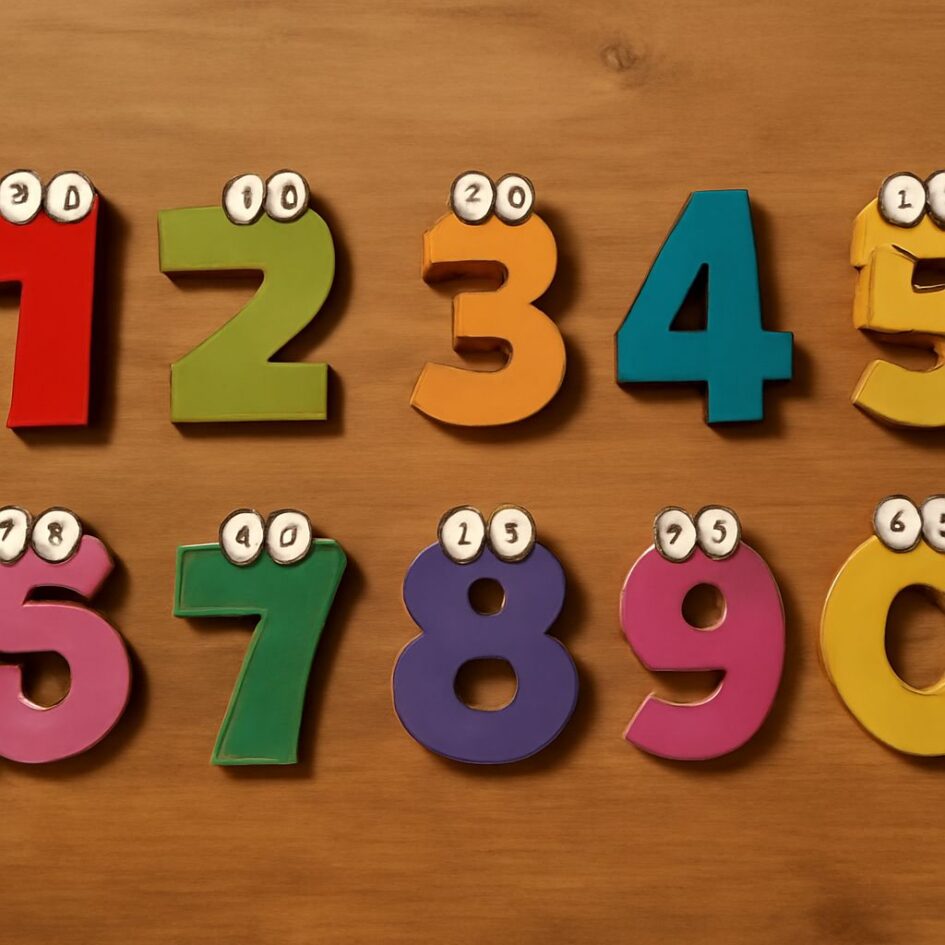
Learning to count to 10 in Korean is an essential step for anyone interested in the language. Korean numbers are used in various daily situations, from shopping to telling time, making them practical and valuable to know. This guide will help you master counting to ten in Korean with ease.
Understanding Korean numbers
Korean uses two number systems: the native Korean system and the Sino-Korean system. For counting everyday objects, the native Korean system is typically used. This system is simple and straightforward for beginners to understand. Conversely, the Sino-Korean system is used for dates, money, and other formal contexts.
Counting from one to ten
To count from one to ten in Korean using the native system, follow this list:
- One – 하나 (hana)
- Two – 둘 (dul)
- Three – 셋 (set)
- Four – 넷 (net)
- Five – 다섯 (daseot)
- Six – 여섯 (yeoseot)
- Seven – 일곱 (ilgop)
- Eight – 여덟 (yeodeol)
- Nine – 아홉 (ahop)
- Ten – 열 (yeol)
Mastering these numbers will allow you to effectively communicate basic quantities and understand simple spoken Korean.
Tips for practicing Korean numbers
Consistent practice can help reinforce your learning. Here are some tips:
- Use Flashcards: Create flashcards with the Korean numbers on one side and their English equivalents on the other. This method helps improve memory retention.
- Practice with Everyday Objects: Count items around you, like books or fruits, using Korean numbers to integrate them into your daily routine.
- Listen to Korean Audio: Listening to Korean songs or watching TV shows can familiarize you with the pronunciation and usage of numbers.
- Utilize Language Apps: Apps like Duolingo and Drops offer interactive ways to practice counting in Korean with exercises and quizzes.
By consistently using these strategies, counting to ten in Korean will become second nature. Regular practice will build your confidence and prepare you for more advanced language skills.