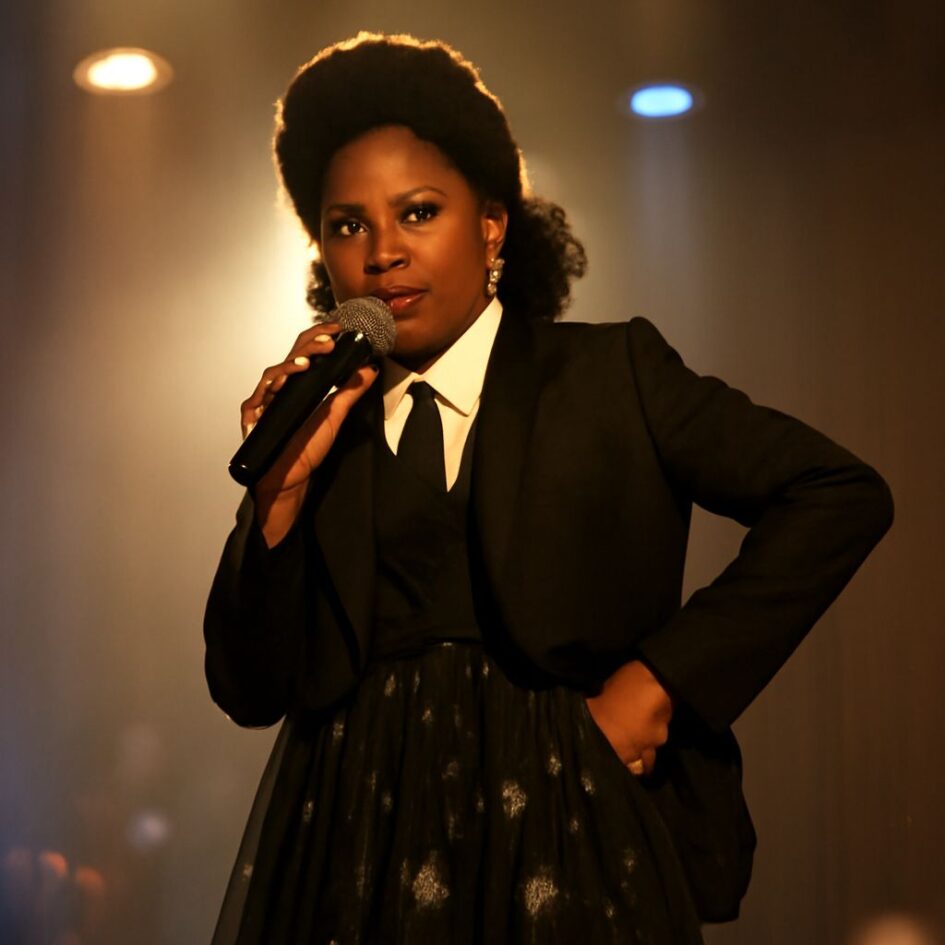
A listener might see Lauryn Hill on an album cover and Ms. Lauryn Hill on a concert announcement and wonder whether the names refer to different performers. They identify the same artist. The name used in a catalog depends on the release or source, so a search that includes more than one form can reveal a fuller picture of her music.
Hill’s recordings reach from the Fugees’ group work to a landmark solo album and a live performance released as an album. Her work as a singer and rapper crosses musical boundaries while staying grounded in the sound and cadence of her own voice. The credits on each recording show who performed with her and how the work was presented.
Ms. Lauryn Hill and the Fugees
Before the solo album that made her name familiar to a broad audience, Lauryn Hill recorded with the Fugees, alongside Wyclef Jean and Pras Michel. The trio’s second album, The Score, arrived in 1996. Its sound brought rap, singing, and elements from several musical traditions together, giving each member room to contribute. The group’s recordings are an essential part of the artist’s history, even though they are generally filed under the Fugees rather than her individual name.
The Recording Academy’s artist profile identifies Hill’s work with the group and notes that The Score earned the Fugees two Grammy Awards, including Best Rap Album. Among the album’s familiar recordings is the group’s version of “Killing Me Softly.” Listening to it alongside other tracks on The Score shows how Hill’s singing operates within a group arrangement, with the production and other performers contributing to its character.
A catalog search for Ms Lauryn Hill alone may not show every Fugees track. Searching for the group and opening the album’s track list provides a more direct route. The individual song credits, where a service supplies them, can add detail about the performers and writers. Names on a front cover identify a release’s main artist; they do not always list everyone whose work can be heard on it.
The solo album and its setting
In 1998, Hill released The Miseducation of Lauryn Hill. The album moves between rapping and singing, with arrangements drawing on soul, R&B, reggae, and hip-hop. The Library of Congress selected it for the National Recording Registry in 2014 and described that blend of styles when announcing the selection.
The record is structured around classroom interludes as well as songs. Those spoken moments place questions about love and experience beside the music, giving the album a setting listeners return to between tracks. The exchanges between the teacher and children frame the album around learning and the different meanings people give to familiar words. Their voices make a shared space around the personal stories in the songs. The effect is cumulative: individual songs can stand on their own, but the sequence gives the record a conversation of its own. “Doo Wop (That Thing),” one of its best-known singles, displays the shift between Hill’s sung and rapped delivery within a single track.
The Recording Academy reports that the album won Album of the Year and that Hill received five solo Grammy Awards at the 1999 ceremony. Those awards mark a particular moment in its public reception. The continued availability of critical writing, archives, and listener discussion gives later audiences other ways to consider its place in music history. Recognition helps explain its reach; the record itself offers the clearest account of its sound.
For someone seeking Ms. Lauryn Hill in a music catalog, the album title is a practical anchor. A search for The Miseducation of Lauryn Hill can lead to the original release and to other editions listed by a service. Comparing the track list and release information helps a listener identify the version they intend to hear. Credits may vary in how much detail they show, so a physical booklet or a label’s release information can be valuable alongside a streaming listing.
A different kind of recorded performance
MTV Unplugged No. 2.0, released in 2002, presents Hill in a live setting. The acoustic guitar, her voice, and her spoken introductions create a different listening experience from the layered arrangements of The Miseducation of Lauryn Hill. The setting brings attention to phrasing and the changing texture of a performance as it unfolds.
The record gives listeners a way to hear another period and format in the career of Ms Lauryn Hill. The live work of Ms. Lauryn Hill puts the sound of a single performance at the center. It should be identified as a live album when comparing it with studio recordings: the audience, staging, and spoken passages are part of the document. A short excerpt can communicate the sound of a moment, while the full sequence gives context to the performance and its transitions.
Listeners who know the performer as Miss Lauryn Hill can hear a markedly different arrangement on the live album. Her voice carries the songs alongside acoustic guitar, with the audience present throughout the performance. The title, year, label, and credited performers help establish which release an entry describes.
Reading the credits and finding a source
A recording is made by many people. Performers, songwriters, producers, musicians, and engineers can all appear in its credits, and their contributions differ from one track to another. An artist name on an album cover is a starting point for listening; the detailed credits can show the wider team behind what is heard. When a song appears on a compilation as well as its original album, the surrounding track list and release date help distinguish the two editions.
For an artist biography and award history, the Recording Academy maintains a Lauryn Hill profile. For preservation context, the Library of Congress lists the solo album in its National Recording Registry. These sources serve different purposes: one documents awards and career highlights, while the other records a preservation selection. Neither replaces the detailed credits attached to a particular release.
The name Ms Lauryn Hill can appear in news and performance listings, while older album credits often use Lauryn Hill. The Fugees’ group name opens another part of the catalog. Search both individual forms and the group name, then use album titles and release details to find the recording in question.