Category Propaganda & Speech

Explore Fahrenheit 451 book cover imagery, from flames to pages, and what it symbolizes. Learn why restrictions on Fahrenheit 451 arose and how they differ from the novel’s fictional book burning.

U.S. propaganda posters from World War I reveal how recruitment, Liberty Loan, and home-front appeals used imagery and slogans to prompt action. Learn how audience and action shape their meaning.

Emotional words in propaganda can intensify a response, while euphemism in propaganda softens or hides difficult realities. Learn how fear propaganda and loaded wording shape interpretation.

See how socialist propaganda posters made the worker, soldier, and cosmonaut models of a collective future—from labor and wartime duty to orbital achievement.

World War Two propaganda often wrapped calls to buy bonds, keep silent, or enlist in broad virtues. Learn how the best propaganda posters used freedom, unity, and duty to drive action.

American propaganda in World War I recruited soldiers, sold Liberty Bonds, conserved food, and unified the home front through bold posters and targeted visual and verbal appeals.

Use a World War I propaganda poster to identify audience, goal, symbols, and emotional appeal. This guide models close reading through recruitment, finance, production, and home-front behavior.

WWI propaganda poster examples reveal how recruitment and sacrifice shaped wartime persuasion. Compare propaganda art in World War I and World War II, from national duty to production and enemy imagery.

Learn how propaganda posters persuade: analyze World War I and WWII designs through audience, symbols, emotional appeals, name-calling, card stacking, omissions, and intended action.
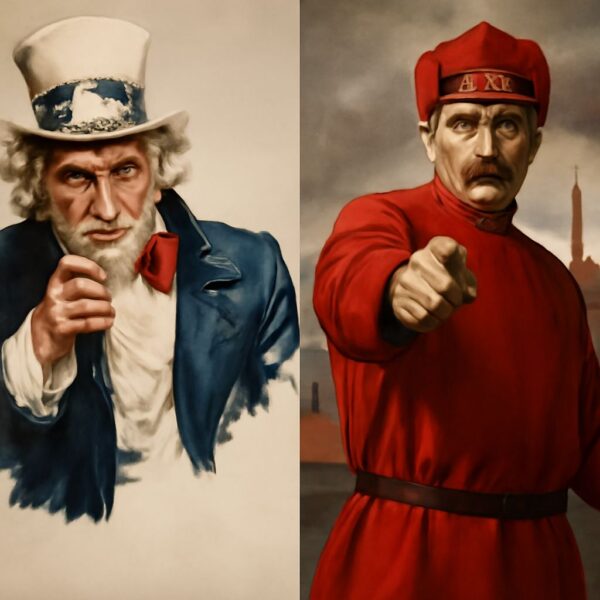
Purpose of propaganda explained through posters that demanded enlistment, production, loyalty, sacrifice, and hostility—and showed audiences how to act during revolution and civil war.