Author Danny Bridges

Learn how propaganda posters persuade: analyze World War I and WWII designs through audience, symbols, emotional appeals, name-calling, card stacking, omissions, and intended action.

No fake news starts with better source checks. Learn how primary vs. secondary sources differ, then test authorship, evidence, context, and corroboration to spot non-credible sources.

Compare credible vs. non-credible sources using evidence and corroboration. Define digital literacy with a reusable checklist, then examine examples of fake news articles and their warning signs.

Bad news bias can make alarming stories feel more representative than they are. Learn to check disputed claims against Reuters, AP, public data, peer-reviewed research, and established reference works.

Bias in the news can reflect selection, emphasis, language, and sourcing. See how framing communication shapes interpretation. Check publishers, evidence, corroboration, and non-credible websites.

Use a credible source checker wisely: inspect authorship, evidence, dates, context, and reputation, corroborate claims, and spot unreliable websites while becoming digitally literate.
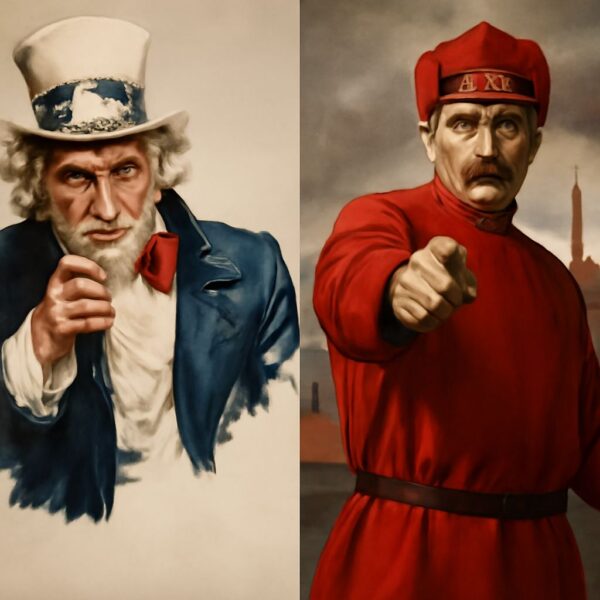
Purpose of propaganda explained through posters that demanded enlistment, production, loyalty, sacrifice, and hostility—and showed audiences how to act during revolution and civil war.

Learn the difference between discrimination and racism, with clear examples of unequal treatment and practical response options for targets and witnesses in everyday situations.
Color-blind racism ignores white privilege. Learn the definition of cultural racism, see how contemporary racism works, and distinguish language, norms, and institutions.

Black Panther Party Free Breakfast Program explained: how volunteers fed children, how other survival programs met community needs, and what the Party’s clothing signaled.