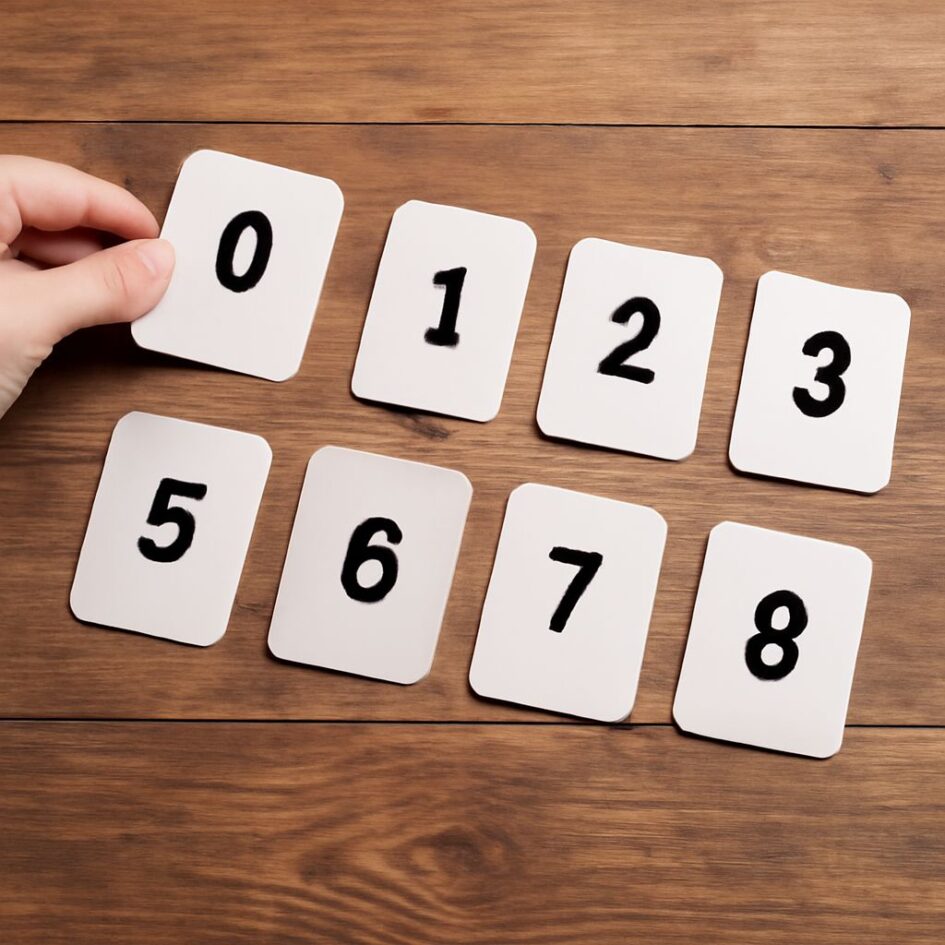
Learning numbers in Vietnamese is a practical step for beginners interested in the language. This guide provides a straightforward approach to understanding and using numbers in Vietnamese, focusing on Vietnamese numbers 1-10. Enhance your language skills by mastering these basic numbers.
Introduction to Vietnamese numbers
Vietnamese numbers are relatively easy to learn due to their logical and consistent structure. The Vietnamese numbering system is based on the decimal system, similar to English. Understanding the numbers 1 to 10 is crucial as they form the foundation for learning higher numbers.
Counting from 1 to 10 in Vietnamese
Here is a simple guide to Vietnamese numbers 1-10:
- 1 – Một
- 2 – Hai
- 3 – Ba
- 4 – Bốn
- 5 – Năm
- 6 – Sáu
- 7 – Bảy
- 8 – Tám
- 9 – Chín
- 10 – Mười
Each of these numbers is a building block for counting beyond 10. For instance, 11 is “mười một,” combining 10 (mười) and 1 (một).
Tips for mastering Vietnamese numbers
To become proficient with numbers in Vietnamese, practice is key. Here are some tips:
- Repetition: Regularly practice saying and writing the numbers.
- Use flashcards: Create flashcards to memorize the numbers visually.
- Listening practice: Listen to native speakers to understand pronunciation.
- Real-world application: Use numbers in daily activities, such as counting objects or telling time.
Cultural significance of numbers in Vietnam
Numbers hold significant cultural meanings in Vietnam. For example, the number 9 (chín) is considered lucky as it sounds like the word for “longevity.” Conversely, the number 4 (bốn) can be considered unlucky because it sounds similar to the word for “death.” Understanding these cultural nuances adds depth to the language-learning experience.
By learning numbers in Vietnamese, learners can effectively engage with the language and better appreciate Vietnamese culture.