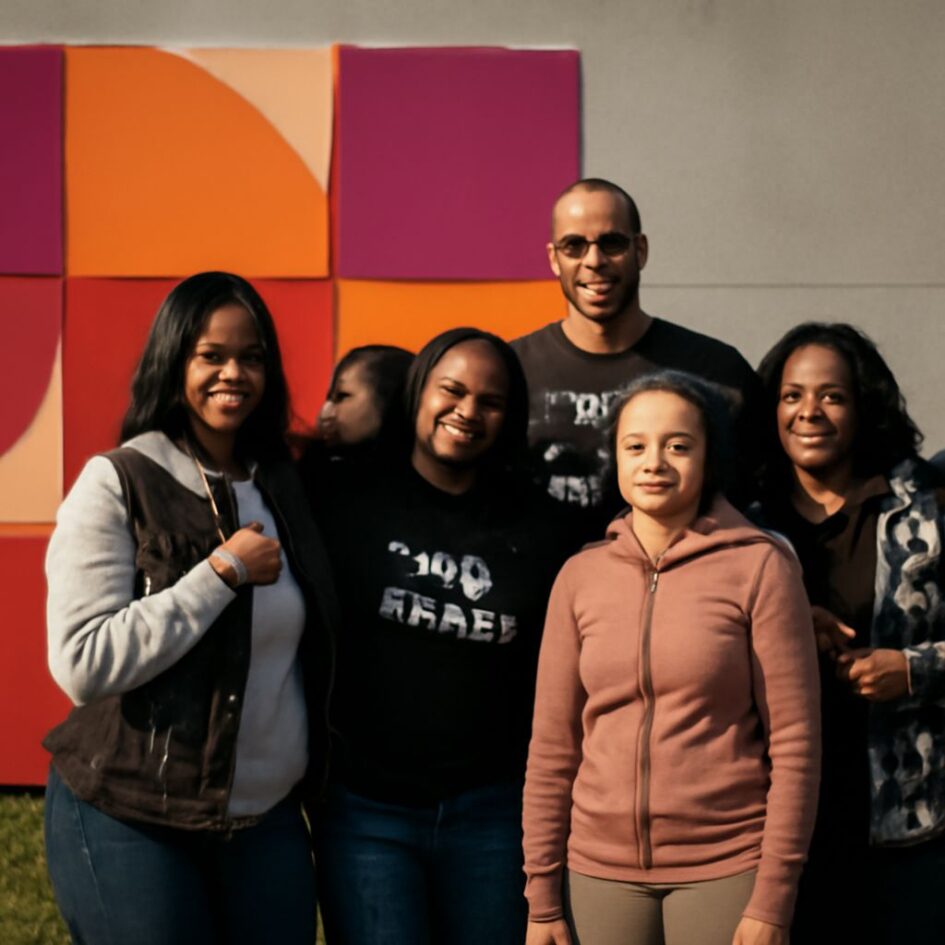
Grassroots campaigns turn local relationships into coordinated public action. They begin when people affected by an issue identify a shared concern, build participation, and choose a specific change to pursue. Unlike campaigns directed mainly by a central organization, grassroots work gives community members meaningful roles in setting priorities, making decisions, and communicating demands.
Grassroots organizing is the ongoing process of building relationships, leadership, and shared capacity. A campaign is a focused effort with a defined objective, audience, timeline, and set of public tactics. Organizing supplies the people and trust; the campaign concentrates them on achievable change.
What makes grassroots campaigns grassroots?
Grassroots campaigns are rooted in the experience and decisions of affected people. A nonprofit, union, neighborhood association, or advocacy group may provide training and resources, but community members remain central to the strategy and action.
- Local ownership: Participants help define the problem and the desired solution.
- Distributed leadership: Responsibility is shared rather than held by one spokesperson or organization.
- Public participation: People contribute through conversations, meetings, outreach, testimony, petitions, demonstrations, or other actions.
A petition can support a campaign without being grassroots if supporters have no role beyond signing. Residents who identify the issue, recruit neighbors, speak publicly, and assess results are participating in grassroots organizing.
From an issue to a campaign
Building participation around a shared issue usually follows four connected stages:
- Listen and identify: Organizers hold conversations, learn how the issue affects people, and find common concerns rather than assuming priorities.
- Build a base: Participants map relationships, invite others, form small teams, and create accessible ways to take part.
- Set a goal: The group selects a specific decision-maker, measurable demand, and realistic short-term objective. A clear goal turns broad concern into campaign direction.
- Act and adjust: Teams choose tactics such as public meetings, canvassing, media outreach, petitions, or direct engagement with officials. They review response and revise the plan as conditions change.
A strong campaign matches each tactic to its audience and objective. It also creates leadership opportunities, so participation grows beyond the original group instead of depending on a few highly active members.
Participation and grassroots democracy
Grassroots democracy connects everyday participation with public decision-making. People develop influence by bringing local knowledge into debates, setting collective priorities, and holding elected officials, institutions, and organizations accountable. This influence can shape policies, budgets, workplace decisions, and community rules, not only election outcomes.
The process also strengthens democratic habits. Participants practice deliberation, negotiation, representation, and shared responsibility. Organizing can reveal whose experiences are missing from a public discussion and provide a structure for including them. Because decisions are made with affected people rather than only for them, resulting demands can be more representative and easier to evaluate.
How communication sustains grassroots organizing
Communication keeps a campaign coordinated between major actions. Effective groups use more than one channel: face-to-face conversations for trust, messaging platforms for quick updates, email for records, and public materials for recruitment and accountability.
- Share clear information: State the goal, next action, responsible team, location, and deadline.
- Close the feedback loop: Report what happened, acknowledge concerns, and show how participant input affected decisions.
- Make participation practical: Offer different roles, accessible meeting times, language support, and tasks suited to different levels of availability.
- Preserve continuity: Keep contact lists, action notes, decisions, and leadership responsibilities organized so momentum survives staff or volunteer changes.
Consistent communication builds trust and turns separate actions into collective capacity, allowing a local campaign to maintain pressure while developing the relationships that sustain future democratic participation.