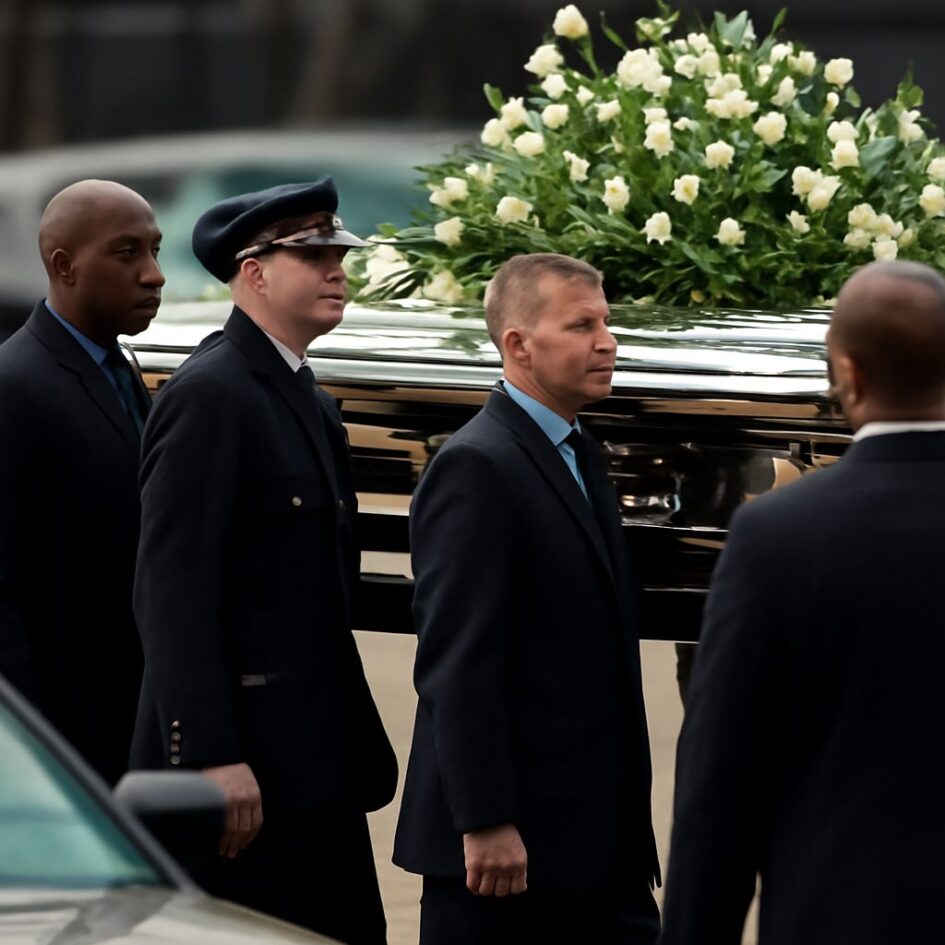
On February 11, 2012, Whitney Houston was found in a bathtub at the Beverly Hilton hotel in Beverly Hills, California. She was 48. The death of Whitney Houston prompted grief around the world and questions about how the singer died. Weeks later, the Los Angeles County coroner released findings that distinguish what investigators established from the speculation that followed.
The coroner determined that Houston drowned and that the effects of atherosclerotic heart disease and cocaine use contributed to her death. The manner of death was classified as an accident. Those findings provide a basis for understanding the loss of an artist whose voice and career remain part of American cultural history.
How did Whitney Houston die: the official finding
On March 22, 2012, the Los Angeles County Department of Coroner issued a statement of its findings, reproduced as a PDF. It reported drowning and the effects of atherosclerotic heart disease and cocaine use as the cause of death. The statement said cocaine and its metabolites had been identified and contributed to the death. It also recorded the manner as accident and said no trauma or foul play was suspected.
The distinction between cause and manner is worth keeping in view. The cause describes the medical condition or circumstances that led to death. The manner is the classification assigned to the death, such as accident. In this case, the coroner’s answer to how did Whitney Houston die includes both the drowning and the listed contributing effects; the classification of the death was accidental.
Atherosclerotic heart disease involves a buildup in the arteries that supply the heart. Its inclusion in the finding matters because the official account did not attribute the death to one isolated factor. Equally, a list of substances detected in a toxicology test should not be read as a list of causes. The coroner identified other substances but stated that they did not contribute to Houston’s death.
What the documents establish
The coroner performed an autopsy on February 12, the day after Houston died. The March 22 statement announced the cause and manner after further investigation. The final autopsy report, signed March 29 and released in early April, retained the accidental classification. The Los Angeles Times reported on the release on April 5.
For a reader tracing the Whitney Houston death reports, those dates explain why early coverage and later articles may contain different levels of detail. A report from the day of her death could establish that she had died and where she was found; it could not yet carry the coroner’s completed finding. A later story should be read against the dated conclusion, not treated as equally authoritative simply because it appeared first. A Whitney Houston death timeline that omits the March finding leaves out the investigation’s central conclusion.
The official account also has limits. It identifies medical findings and records how she was found. It does not require a reader to invent a private thought, a conversation, or a minute-by-minute sequence. The question of how Whitney Houston died has a documented answer, even though the public record does not turn every moment beforehand into a known fact.
The suicide claim and the evidence
A search for Whitney Houston suicide may return headlines or posts that suggest intent. The official finding does not support that claim: the coroner classified the death as accidental. A suggestion repeated in a caption or video is not a medical finding, and a claim about someone’s state of mind needs evidence of its own.
This distinction applies to the Whitney Houston cause of death as well as to the manner. Drowning and the effects of heart disease and cocaine use are the documented medical findings; accident is the official classification. Neither should be replaced with an unsupported story about motive. The report’s finding that no foul play was suspected is also a specific conclusion, rather than an invitation to fill gaps with theories about another person.
Asking what happened to Whitney Houston is understandable. A careful answer names the confirmed circumstances, follows the investigation to its conclusion, and leaves unsupported claims unpromoted. How did Whitney Houston die? The coroner’s answer was accidental drowning with the effects of heart disease and cocaine use. Readers can recognize the difference between a question a publication poses and a fact its sources actually establish.
A career larger than one day
Coverage of Whitney Houston’s death appeared on the eve of the Grammy Awards, when the music industry and its audience were already gathered around a major public event. That timing helped bring tributes and breaking news into the same stream. It also made the choice of framing important: a report could explain a death while still allowing the artist’s work to remain visible.
Houston’s recordings crossed pop, R&B, and gospel traditions, and her singing reached audiences far beyond a single musical category. “I Will Always Love You,” her recording for The Bodyguard, became one of the performances closely associated with her. A listener returning to it can hear the control of a quiet opening and the power of a sustained phrase, choices that belong to her craft as much as to her public image.
Her influence is also carried through other artists and the institutions that preserve musical history. In 2026, the Recording Academy honored Houston with a posthumous Lifetime Achievement Award, which her family accepted. The Associated Press’s account records the award and the family’s presence. Such recognition offers another route into her story: recordings, performances, and the people who continue to hear meaning in them.
A focus on the cause of Houston’s death can answer a legitimate question without making that answer the whole measure of her life. Her work can be heard in full songs and albums, not only in the brief clips that accompany a retrospective news item. Returning to the music gives readers a fuller sense of the artist they are reading about.
How to evaluate a claim
When reading about how Houston died, look for the name of the agency, the date of its statement, and a link or clear citation to the report. Compare the claim with the coroner’s March 22 findings and the final report: drowning, the effects of heart disease and cocaine use, and an accidental manner. A publication that asserts a different intent without credible evidence is presenting an unverified claim, not the official conclusion.