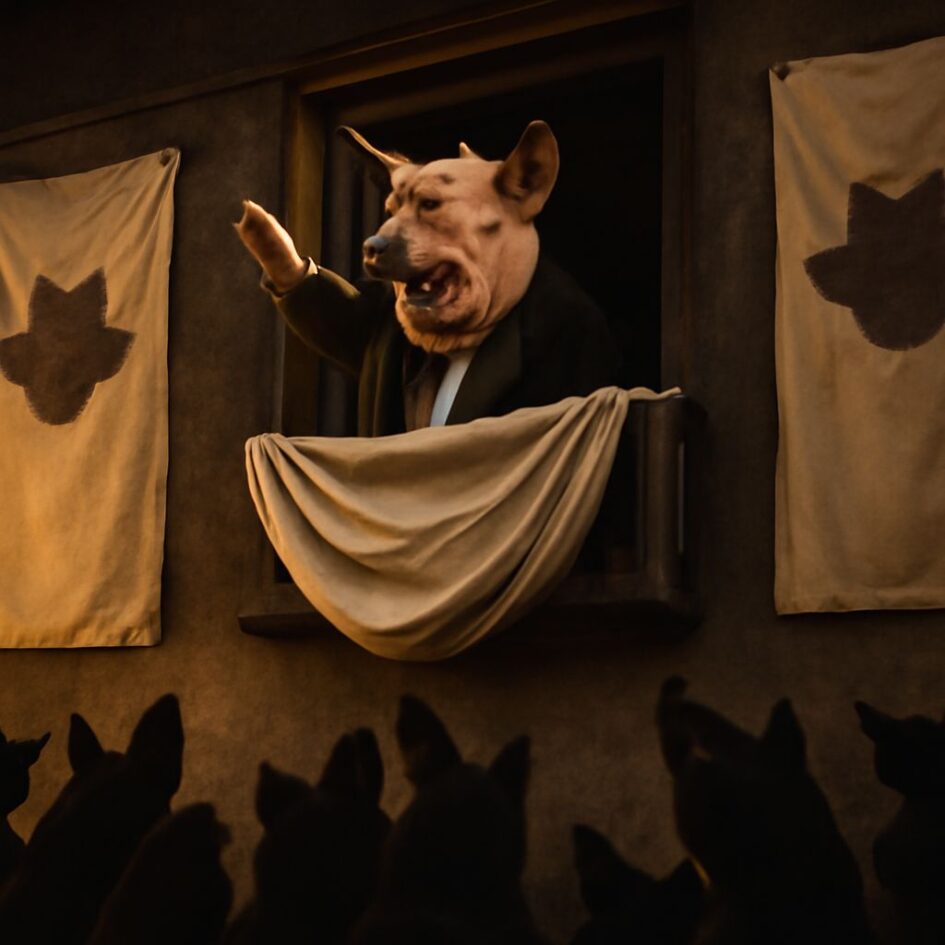
In George Orwell’s Animal Farm, the concept of Animalism is central to the narrative, symbolizing the ideology that drives the animals’ rebellion. This allegorical novella reflects on power, control, and the manipulation of ideals. Examining Animalism within the context of Orwell’s work offers insights into its role as a tool for social change and exploitation.
What is Animalism in Animal Farm?
Animalism in George Orwell’s Animal Farm represents a collectivist ideology, akin to socialism or communism. It is introduced by the character Old Major, who inspires the animals to rebel against their human owner, Mr. Jones. The core idea of Animalism is that all animals are equal and should work together for the common good, free from human oppression.
Origins and principles of Animalism
The principles of Animalism are derived from Old Major’s teachings, encapsulated in seven commandments initially designed to ensure equality and freedom among animals. Key tenets include “All animals are equal,” and “No animal shall drink alcohol.” These commandments reflect ideals of fairness and shared prosperity and are intended to guide the animal community towards a utopian society.
Animalism as a tool of propaganda
As the story progresses, Animalism is manipulated by the pigs, particularly Napoleon and Squealer, to consolidate power. These leaders use propaganda to alter the commandments and justify their actions. For example, when they begin trading with humans, they claim it is for the farm’s benefit. Such distortions highlight how Animalism, initially a noble vision, becomes a mechanism for control and manipulation.
The impact of Animalism on the farm
The implementation of Animalism initially brings hope and solidarity to the farm. However, as the pigs corrupt its principles for personal gain, the society degenerates into a dictatorship. The original ideals are lost, and the farm’s conditions become indistinguishable from the oppressive regime they overthrew. This transformation illustrates the dangers of unchecked power and the ease with which revolutionary ideals can be subverted.