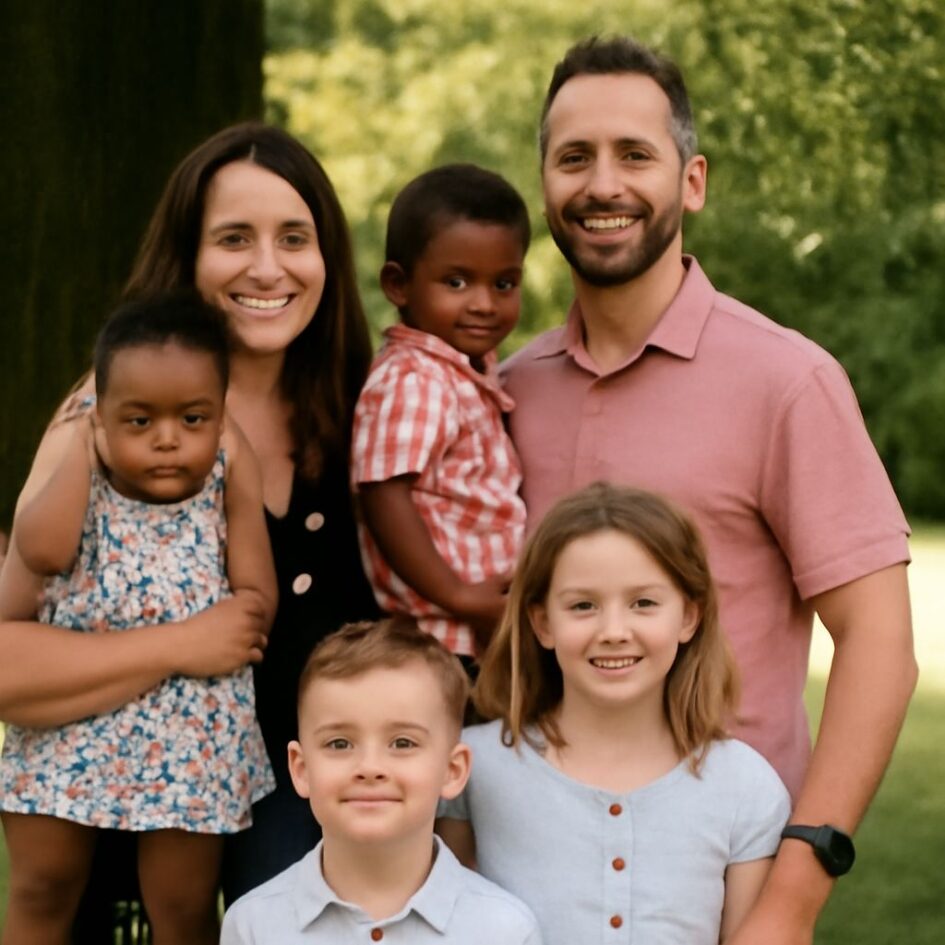
Scholarships for adopted children help bridge financial gaps and support educational success for students connected to adoption. Many foundations, state agencies, and private organizations sponsor adoption scholarships for individuals who have been adopted from foster care, public agencies, or through private adoption. Understanding available options and how to qualify can significantly increase the chances of securing funding for higher education.
Understanding scholarships for adopted children
Scholarships for adopted children are designed to help those who have experienced adoption—whether from foster care, state custody, or private placements—overcome barriers to accessing college or vocational training. These scholarships can provide partial or full funding for tuition, fees, and sometimes even living expenses. They are available at the national, state, and organizational levels, and often acknowledge the unique challenges adopted students may face.
Adoption scholarships may be merit-based, need-based, or focused on specific areas of study. Some are open to any adopted student, while others target those adopted after a certain age or from particular care backgrounds. In addition to direct financial aid, some programs offer mentoring, academic support, or opportunities for community engagement, further supporting students as they transition to higher education.
Many colleges also participate in tuition waiver programs for students adopted from foster care or state care, reducing or eliminating tuition costs at state-supported institutions. Reviewing both private and public opportunities can help adopted students maximize available financial support.
Top adoption scholarships to consider
Several notable programs and organizations offer scholarships for adopted children:
- Dave Thomas Foundation for Adoption Scholarship: Open to youth adopted from foster care after age 13, this fund provides up to $5,000 for undergraduate education and is renewable for up to four years.
- National Foster Parent Association Youth Scholarship: This program supports adopted youth who lived in foster or kinship care, offering annual scholarships to help with college or vocational school expenses.
- Adopted Children Scholarship Program (state-specific): Many states, including Texas, Colorado, and Illinois, offer their own scholarships or tuition waivers for adopted students. For example, the Texas Tuition and Fee Waiver covers all tuition and fees at Texas public colleges for eligible adopted students.
- Mixed Roots Foundation Adoptee Empowerment Scholarship: This scholarship is for students adopted domestically or internationally, with awards given for leadership and community involvement.
- JC Montgomery Endowed Scholarship (California): Targeted at former foster or adopted youth in California, this scholarship recognizes academic achievement and community contribution.
Additional adoption scholarships can be found through local community foundations, private colleges, and national organizations focused on adoption and foster care. Students should also explore broader scholarships for youth with experience in the child welfare system, as these may include adopted students.
Eligibility criteria and application process
The eligibility criteria for scholarships for adopted children vary by program. Common requirements include:
- Adoption status: Proof of legal adoption, often with additional requirements such as being adopted after a certain age or from foster care or state custody.
- Educational goals: Most scholarships require enrollment or intent to enroll in an accredited college, university, or vocational school.
- Academic achievement: Minimum GPA or standardized test scores may be required for merit-based awards.
- Financial need: Some adoption scholarships assess family income or financial circumstances as part of the application process.
- Residency: Certain programs are limited to residents of specific states or regions.
The typical application process involves submitting an online or paper application, documentation of adoption status, transcripts, letters of recommendation, and personal essays. Deadlines vary, but many major programs have spring deadlines for fall awards. It is important to check requirements early and allow time for collecting necessary documents.
In addition, some scholarships require interviews or additional proof of involvement in community service or extracurricular activities. Keeping a checklist of requirements and tracking deadlines can help manage multiple applications efficiently.
Tips for maximizing scholarship opportunities
To increase the chances of receiving adoption scholarships, adopted students and their families can take several strategic steps:
- Research widely: Search for national, state, and local opportunities, and use scholarship databases focused on adoption or foster care.
- Organize documents: Keep copies of adoption papers, transcripts, and recommendation letters easily accessible for multiple applications.
- Tailor essays: Address how adoption has shaped your goals, resilience, and commitment to education in your scholarship essays.
- Meet all deadlines: Set reminders and create a calendar to track application deadlines and required materials.
- Apply broadly: Submit applications to multiple scholarships for adopted children, as award amounts and competition vary by program.
Staying proactive, reaching out to school counselors or adoption agencies for advice, and participating in relevant workshops or webinars can further improve scholarship outcomes for adopted students.