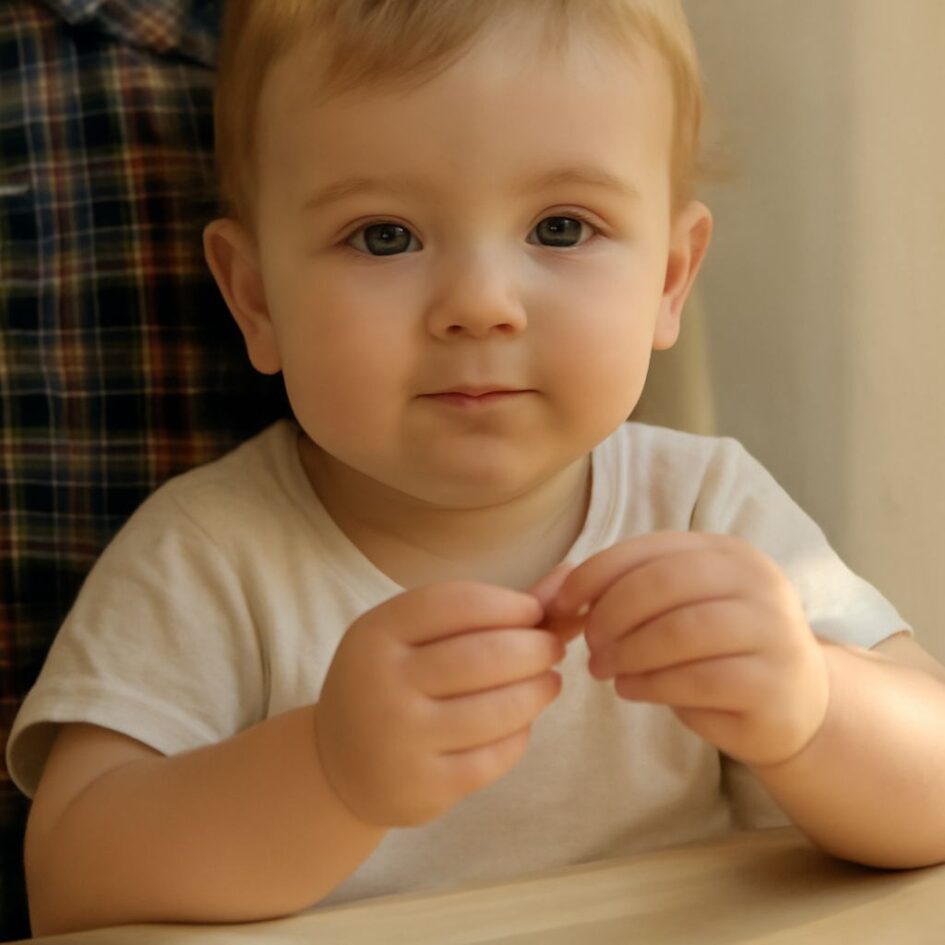
American Sign Language (ASL) is a visual language that uses hand movements, facial expressions, and body postures to communicate. It is widely used in the Deaf community and by individuals who are non-verbal or have hearing impairments. ASL offers an expressive and dynamic way to convey thoughts and emotions without spoken words. One of the essential signs in ASL is “more,” a term frequently used in various contexts, from requesting additional items to indicating continuation.
Introduction to ASL and its importance
ASL plays a vital role in facilitating communication for the Deaf and hard-of-hearing communities. It is recognized as a complete language with its own grammar and syntax, distinct from English. Learning ASL not only aids in interaction with those who rely on sign language but also enriches storytelling and enhances personal communication skills. The ability to sign “more” is particularly useful in everyday conversations and can be applied in multiple scenarios.
Understanding the sign for ‘more’
The ASL sign for “more” is simple yet effective, used to indicate the desire for an additional quantity or continuing actions. To perform the sign, both hands are used, with fingers touching and forming a relaxed O shape. The sign is typically executed by bringing the fingertips of each hand together repeatedly. This motion resembles bringing together more items or actions, making it a universally understandable gesture. Understanding this sign is crucial for anyone learning ASL, as it often serves as a building block for more complex communications.
Step-by-step guide to signing ‘more’
- Start Position: Begin with both hands forming a loose O shape. Ensure the fingertips are touching lightly.
- Hand Movement: Position your hands in front of your body, approximately chest level, with palms facing each other.
- Executing the Sign: Bring the fingertips of both hands together in a tapping motion, repeating this action two or three times. The movement should be gentle and fluid.
- Facial Expression: Incorporate appropriate facial expressions to match the context of the request, such as a questioning look if asking for more or a satisfied look when acknowledging receipt.
This straightforward process enables clear communication of the desire for more items or actions. Practicing this sign with variations in tempo and expression can add depth to your signing skills.
Incorporating ‘more’ into storytelling
In storytelling, the sign for “more” can be used to build anticipation and convey the progression of a narrative. By employing this sign, storytellers can emphasize repetition, continuation, and accumulation. For example, “more” can be used to describe a character acquiring more resources or expressing a deeper emotional response in a story.
- Building Tension: Use the sign for “more” to show a gradual increase in excitement or tension.
- Character Development: Illustrate a character’s evolving desires or goals through the sign for “more.”
- Audience Engagement: Encourage audience interaction by using “more” to prompt participation or feedback.
Integrating “more” into ASL storytelling enriches the narrative experience and provides a dynamic tool for connecting with the audience. Whether in a casual conversation or a detailed narrative, the sign for “more” enhances communication in American Sign Language.