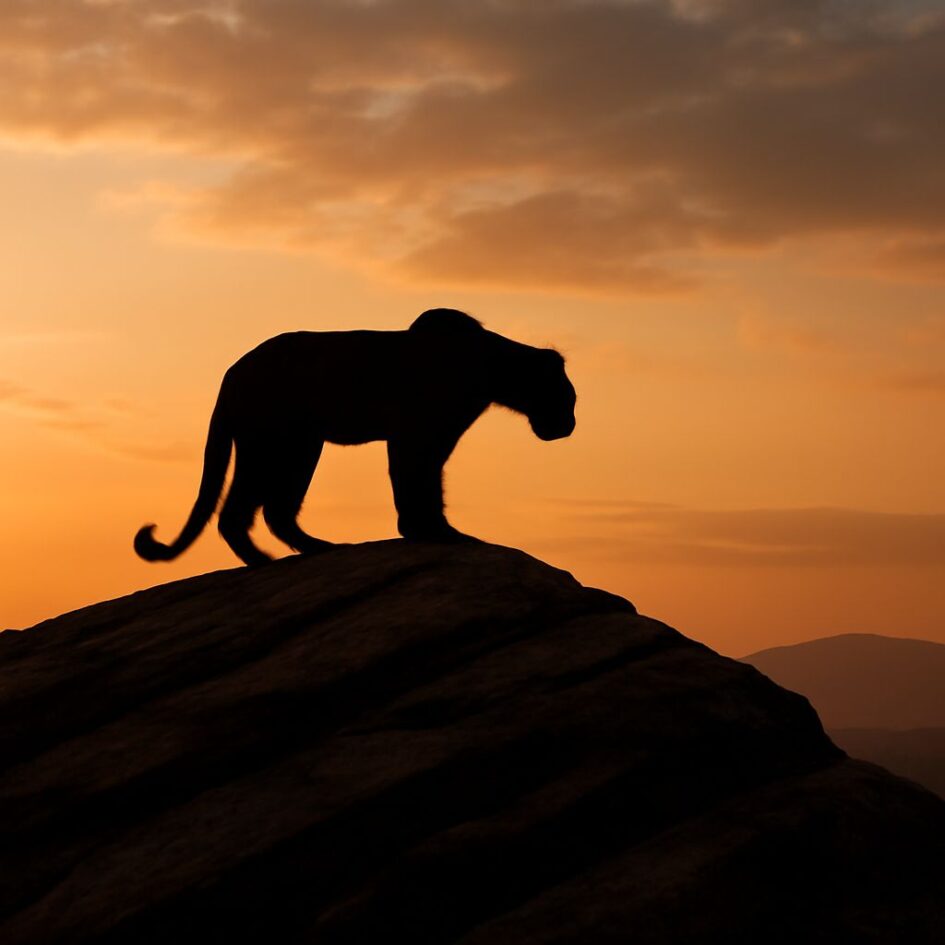
William Blake’s poem, “Tyger Tyger,” officially titled “The Tyger,” stands as a profound piece of literature that has captivated readers for centuries. This iconic work, part of Blake’s collection “Songs of Experience” published in 1794, delves into the mysteries of creation and existence. The poem’s opening line, “Tyger Tyger, burning bright,” immediately draws attention to its rhythmic and evocative language, inviting readers to explore deeper meanings.
Overview of ‘Tyger Tyger’
“Tyger Tyger” is a six-stanza poem written in a quatrain format, with a simple yet powerful AABB rhyme scheme. The poem begins by addressing the tiger, a symbol of both beauty and terror, questioning the nature of its creator. Blake uses this majestic creature to explore profound questions about creation, divinity, and the duality inherent in nature.
The structure is characterized by its repetitive questioning, emphasizing the mysterious and awe-inspiring nature of the tiger. Blake’s choice of words, such as “fearful symmetry,” highlights the paradoxical nature of its beauty and ferocity. Throughout the poem, Blake employs vivid imagery, inviting readers to ponder the complexities of existence.
Themes and symbolism in the poem
The primary theme in “Tyger Tyger” revolves around the duality of creation. Blake examines how beauty and terror coexist, using the tiger as a metaphor for this duality. The poem raises questions about the creator’s intention and the balance between good and evil in the world.
Symbolism is rich within the poem. The “tyger” represents not only the physical creature but also the broader concept of awe-inspiring, untamed forces of nature. The “burning bright” aspect suggests both enlightenment and destruction, further emphasizing the complex nature of existence.
Blake’s use of rhetorical questions serves to engage readers actively, prompting them to reflect on philosophical and theological issues. The poem does not provide clear answers, instead leaving interpretations open, which adds to its timeless appeal.
Historical context and impact
Published during the late 18th century, “Tyger Tyger” reflects the era’s fascination with the natural world and industrial progress. Blake’s work often contrasted the innocence of childhood with the harsh realities of experience, a theme evident in his collections “Songs of Innocence and of Experience.”
During Blake’s time, the Industrial Revolution was transforming society, and the poem can be seen as a response to the tension between natural beauty and human-made progress. The tiger symbolizes the wild, untamed world that stands in contrast to the mechanization of life.
The impact of “Tyger Tyger” extends beyond its historical context. It remains a staple in literary studies due to its rich symbolism and philosophical depth. Blake’s exploration of creation, existence, and the divine continues to resonate, inviting new generations to explore its layers of meaning.