Category Storytelling & Rhetoric
Definition of rhetorical devices: Learn how parallelism, repetition, antithesis, allusion, and metaphor work in the Gettysburg Address and I Have a Dream, and why context changes their impact.

Rhetorical analysis strategies take you from situation to evidence, audience, purpose, thesis, and paragraphs. Learn a repeatable method for choosing proof, explaining effects, and revising.
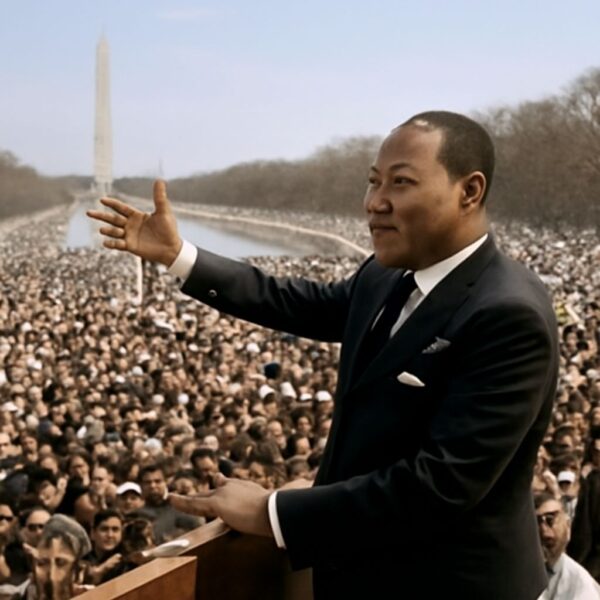
This I Have a Dream rhetorical analysis explains how repetition, allusion, metaphor, contrast, and shared American ideals create moral authority, urgency, rhythm, and a collective vision.

How to conclude a rhetorical analysis with a clear synthesis of audience, purpose, and effect. Learn how to title a rhetorical analysis and turn strategies into a precise claim.

Use ads for rhetorical analysis to identify audience and purpose first, then test claims, images, appeals, and anaphora against evidence to explain the ad’s desired response.

See how repetition as a rhetorical device builds rhythm and insistence, while hyperbolic rhetoric magnifies a claim. Use speech and media examples to identify each effect.

Learn the logos definition in rhetoric, see what makes a speech rhetorical, and explore everyday persuasion through clear examples, evidence, assumptions, and audience-aware choices.

Examples of rhetoric become easier to spot when you connect purpose, audience, and effect. Learn the 5 canons of rhetoric, see repetition as a rhetorical device, and ask: Is diction a rhetorical device?