Author Danny Bridges

Bias in the news can reflect selection, emphasis, language, and sourcing. See how framing communication shapes interpretation. Check publishers, evidence, corroboration, and non-credible websites.

Use a credible source checker wisely: inspect authorship, evidence, dates, context, and reputation, corroborate claims, and spot unreliable websites while becoming digitally literate.
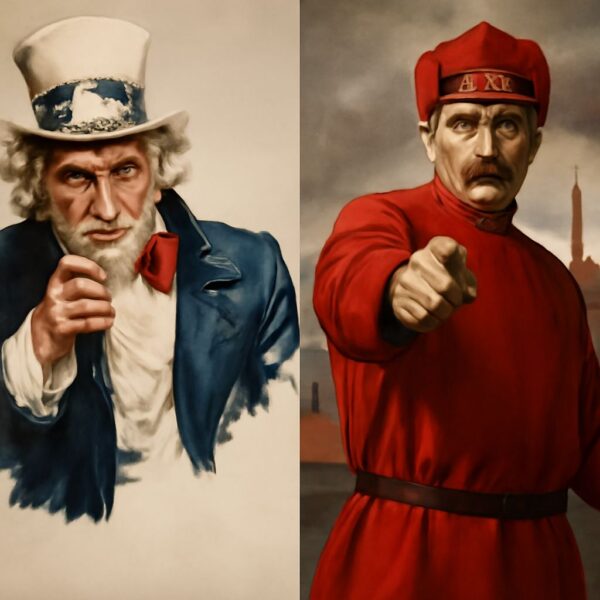
Purpose of propaganda explained through posters that demanded enlistment, production, loyalty, sacrifice, and hostility—and showed audiences how to act during revolution and civil war.

Learn the difference between discrimination and racism, with clear examples of unequal treatment and practical response options for targets and witnesses in everyday situations.
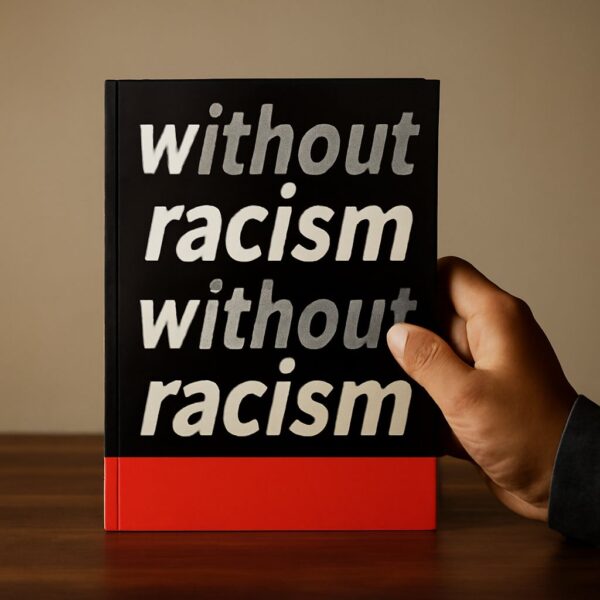
Color-blind racism ignores white privilege. Learn the definition of cultural racism, see how contemporary racism works, and distinguish language, norms, and institutions.

Black Panther Party Free Breakfast Program explained: how volunteers fed children, how other survival programs met community needs, and what the Party’s clothing signaled.
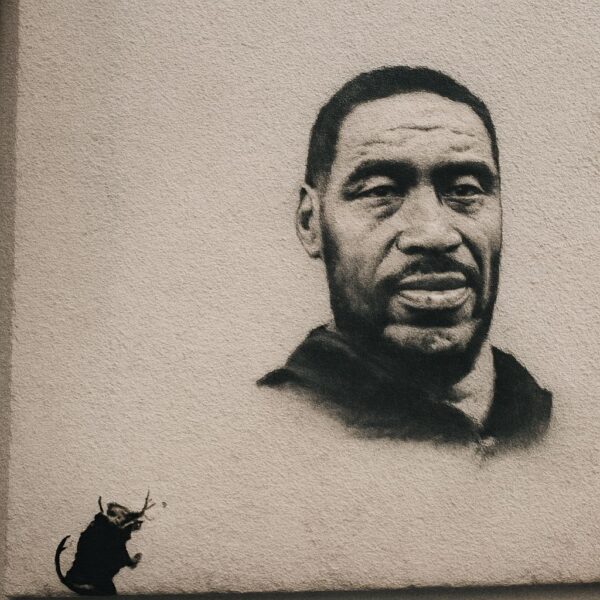
Black Lives Matter art turns posters, graffiti, signs, and short quotes into a shared visual language. Learn how medium, placement, repetition, and circulation shape public memory.

Black Codes 1865 imposed labor, movement, contract, and assembly restrictions after the Civil War. Learn how their written controls shaped later racial enforcement under Jim Crow.

Martin Luther King Jr.’s leadership comes into focus in Letter from Birmingham Jail: examine its audience, moral authority, strategic urgency, and key quotes that persuade a divided coalition.

Rosa Parks grave, her Detroit home, and the houses linked to her life are distinct sites. Find where she is buried at Woodlawn Cemetery, which residence survived, and why each place matters.