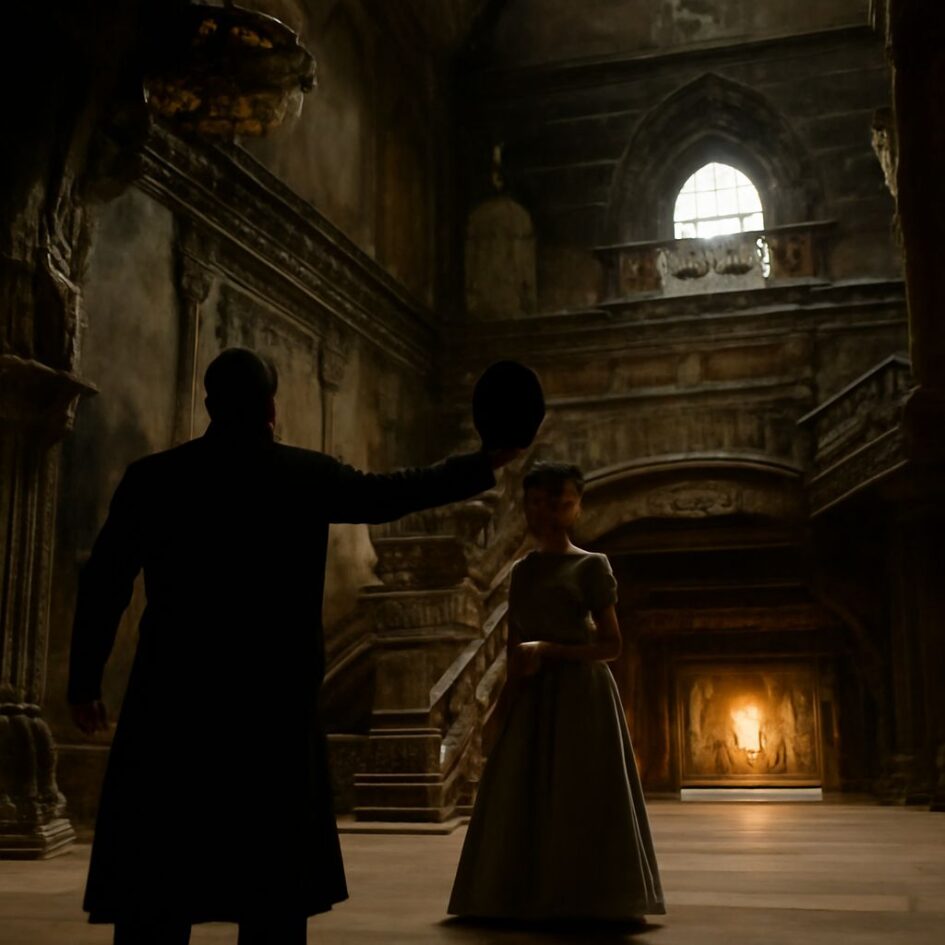
Gothic romanticism and dark romanticism occupy a significant space in literary history, blending themes of emotion, nature, and the supernatural with explorations of human fallibility. These two movements, while closely related, introduced unique perspectives and motifs that continue to influence literature and popular culture. Understanding the definition of dark romanticism, its main characteristics, and the writers linked to the movement offers insight into the enduring fascination with the darker aspects of the human experience.
What is gothic romanticism?
Gothic romanticism refers to a literary style that emerged in the late eighteenth century, combining the intense emotion and individualism of Romanticism with the suspenseful, mysterious elements of Gothic literature. Works in this tradition often feature brooding atmospheres, remote settings, and a preoccupation with irrational or supernatural events. The origins of gothic romanticism can be traced to early novels like Horace Walpole’s The Castle of Otranto and Ann Radcliffe’s The Mysteries of Udolpho, which established conventions such as haunted castles, gloomy landscapes, and enigmatic characters.
Central to gothic romanticism is the exploration of powerful emotions—fear, awe, dread, and desire—often set against the backdrop of the sublime in nature or architecture. The narrative frequently centers on protagonists who confront overwhelming forces, whether internal or external, leading to psychological struggle and revelation. The gothic romantic tradition paved the way for later writers to probe the complexities of the human mind and the boundaries of rationality.
As the movement evolved, authors incorporated elements of psychological horror and moral ambiguity, deepening the genre’s appeal. This interplay between the romantic and the gothic set the foundation for the emergence of dark romanticism in the nineteenth century.
Dark romanticism definition and origins
The dark romanticism definition centers on a subgenre of Romanticism that emphasizes the more pessimistic, sinister, and irrational aspects of human nature and the universe. Emerging primarily in the early to mid-nineteenth century, dark romanticism developed as both an extension and a critique of the optimism found in mainstream Romantic literature. Instead of celebrating nature’s beauty and the individual’s potential, dark romantics explored themes of guilt, madness, decay, and the supernatural.
This literary movement found its roots in American and European literature, notably in the works of Edgar Allan Poe, Nathaniel Hawthorne, and Herman Melville. These authors rejected the idealized visions common in Romanticism, highlighting the presence of evil and the consequences of unchecked ambition or obsession. The philosophical underpinnings of dark romanticism often draw from the gothic tradition, but with a sharper focus on the psychological and metaphysical darkness within humanity itself.
In summary, dark romanticism distinguishes itself from traditional Romanticism through its fascination with moral complexity, the grotesque, and the inevitability of human fallibility.
Key characteristics of dark romanticism
The main dark romanticism characteristics include a preoccupation with the darker sides of human nature, the supernatural, and themes of existential dread. These works frequently depict protagonists who are haunted by guilt, fear, or an overwhelming sense of doom. Symbolism is heavily employed to represent intangible concepts like evil, temptation, or the unknown.
Dark romantic texts often feature settings that reinforce a mood of gloom and foreboding—crumbling mansions, desolate landscapes, and nocturnal scenes are common. The narrative tone tends to be introspective and sometimes unreliable, reflecting the inner turmoil of the characters. In contrast to optimistic Romantic works, dark romantic stories seldom end with redemption or resolution; instead, they may conclude with tragedy or unresolved tension.
Other recurring motifs include fatalism, the inevitability of death, and the futility of resisting one’s darker impulses. The supernatural is not merely decorative; it serves as a metaphor for internal conflict and the mysteries of existence. Through this focus, dark romanticism continues to resonate with readers interested in psychological depth and moral ambiguity.
Notable dark romantics and their influence
The writers most closely associated with dark romanticism—often called dark romantics—include Edgar Allan Poe, Nathaniel Hawthorne, and Herman Melville. Poe’s stories and poems, such as “The Tell-Tale Heart,” “The Raven,” and “The Fall of the House of Usher,” exemplify the movement’s fascination with madness, decay, and the supernatural. Hawthorne’s The Scarlet Letter and short stories like “Young Goodman Brown” probe the effects of guilt, sin, and societal judgment, employing symbolism and ambiguity throughout.
Herman Melville, particularly in Moby-Dick, interrogates obsession and the inscrutable forces of nature, often blurring the line between reality and the supernatural. These authors not only defined the dark romantic tradition but also influenced subsequent movements, including Symbolism, Existentialism, and modern horror.
The legacy of the dark romantics endures in contemporary literature and media. Their emphasis on the complexities of the human psyche and the exploration of the unknown continues to inform genres ranging from psychological thrillers to gothic fantasy, demonstrating the ongoing relevance of dark romanticism in understanding the shadows of the human condition.