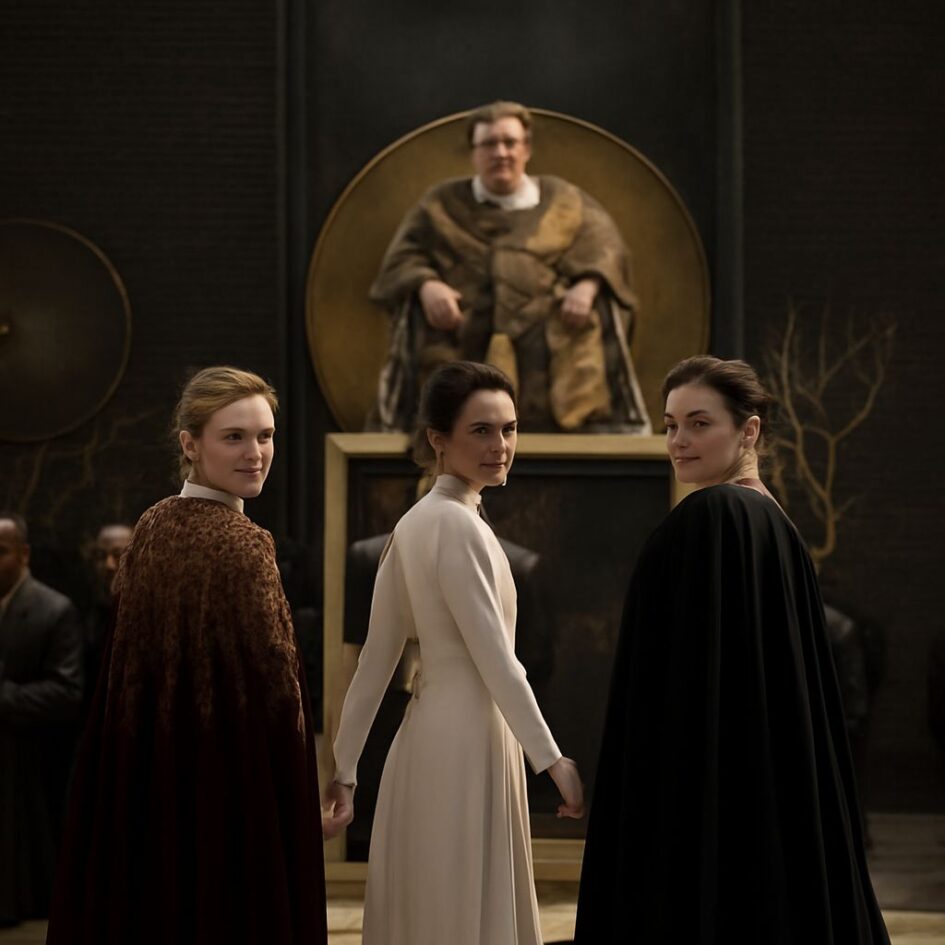
King Lear Act 1 sets the foundation for Shakespeare’s tragedy, introducing the central conflicts, characters, and themes that drive the narrative. The act’s opening scenes, especially King Lear Act 1 Scene 1, profoundly shape the play’s direction, as Lear’s decisions lead to dramatic consequences for himself and his kingdom. This guide offers a concise summary of Act 1, a focused breakdown of Scene 1, an exploration of major themes, and an explanation of how the act frames the unfolding tragedy.
King Lear Act 1 summary
King Lear Act 1 opens at the royal court of Britain. The aging King Lear announces his intent to step down from the throne and divide his kingdom among his three daughters: Goneril, Regan, and Cordelia. He proposes a test of love, asking each daughter to declare how much she loves him. Goneril and Regan provide elaborate, flattering responses, while Cordelia, Lear’s youngest and favorite daughter, refuses to engage in empty praise. Instead, she offers a measured, honest reply, which Lear interprets as a lack of affection.
Angered by Cordelia’s perceived ingratitude, Lear disowns her and splits her share of the kingdom between Goneril and Regan. The Earl of Kent protests Lear’s rashness and is swiftly banished for his candor. The King of France and the Duke of Burgundy compete for Cordelia’s hand in marriage; Burgundy withdraws after learning of her lost inheritance, while France values her honesty and marries her.
Having relinquished power but retaining royal dignity, Lear plans to alternate his residence between Goneril and Regan’s homes. Meanwhile, subplots emerge: the Earl of Gloucester is deceived by his illegitimate son Edmund, who sets a scheme in motion against his legitimate brother Edgar. Act 1 closes with the first hints of betrayal and the unraveling of order in both Lear’s and Gloucester’s families.
King Lear Act 1 Scene 1: What happens and why it matters
King Lear Act 1 Scene 1 is the pivotal opening of the play. It begins with Lear assembling his court to formally announce the division of his kingdom. His “love test” demands public declarations from each daughter. Goneril and Regan’s exaggerated responses win them favor, while Cordelia’s reserved honesty—“Unhappy that I am, I cannot heave / My heart into my mouth”—infuriates Lear. He banishes her, ignoring Kent’s attempts to intercede and warn him against making such a rash decision.
The scene introduces two major political and familial rifts: Lear’s estrangement from Cordelia and Kent, and the handing of power to Goneril and Regan. By rewarding sycophancy and punishing truth, Lear sets the stage for his own downfall. The scene also demonstrates Lear’s flawed judgment and the dangers of valuing flattery over sincerity.
The marital negotiations with France and Burgundy highlight Cordelia’s virtue, as France accepts her without a dowry, underscoring the contrast between genuine and transactional relationships. The stage directions and dialogue in King Lear Act 1 Scene 1 establish the play’s central conflicts and the personal and political stakes that will drive the tragedy forward.
Key themes in Act 1 of King Lear
Several recurring themes emerge in Act 1 and shape the rest of the play:
- The Nature of Authority and Power: Lear’s abdication and the division of the kingdom illustrate the instability that occurs when power is transferred without wisdom or foresight.
- Appearance versus Reality: Goneril and Regan’s insincere declarations contrast with Cordelia’s honesty, highlighting the theme that outward appearances can hide true intentions.
- Familial Loyalty and Betrayal: Lear’s relationship with his daughters and Gloucester’s with his sons introduce motifs of loyalty, deception, and the consequences of misplaced trust.
- Madness and Foolishness: Lear’s actions appear irrational to those around him, foreshadowing his descent into madness.
- Justice and Injustice: The banishment of Cordelia and Kent, despite their integrity, signals the play’s exploration of moral and social justice.
These themes are present throughout Act 1 and resonate in every major decision and conflict established in the opening scenes.
Why Act 1 sets the stage for King Lear’s tragedy
Act 1 establishes the dramatic foundation for King Lear’s tragedy by presenting key decisions and character flaws that will have irreversible consequences. Lear’s impulsive actions—his demand for flattery, disowning of Cordelia, and banishment of Kent—reveal his vulnerability to pride and poor judgment. These flaws set into motion a power vacuum and familial discord exploited by Goneril, Regan, and Edmund in subsequent acts.
The act’s structure creates a sense of dramatic irony; the audience witnesses Lear’s errors and their immediate fallout, while he remains blind to the dangers he has unleashed. By the end of Act 1, the natural and social order is already in decline, foreshadowing chaos both in the kingdom and within Lear himself.
The groundwork laid in King Lear Act 1, especially in the opening scene, gives clarity to later events and deepens the impact of the tragedy. Every pivotal relationship and theme originates here, making Act 1 essential for understanding how Lear’s initial choices reverberate with devastating consequences throughout the play.