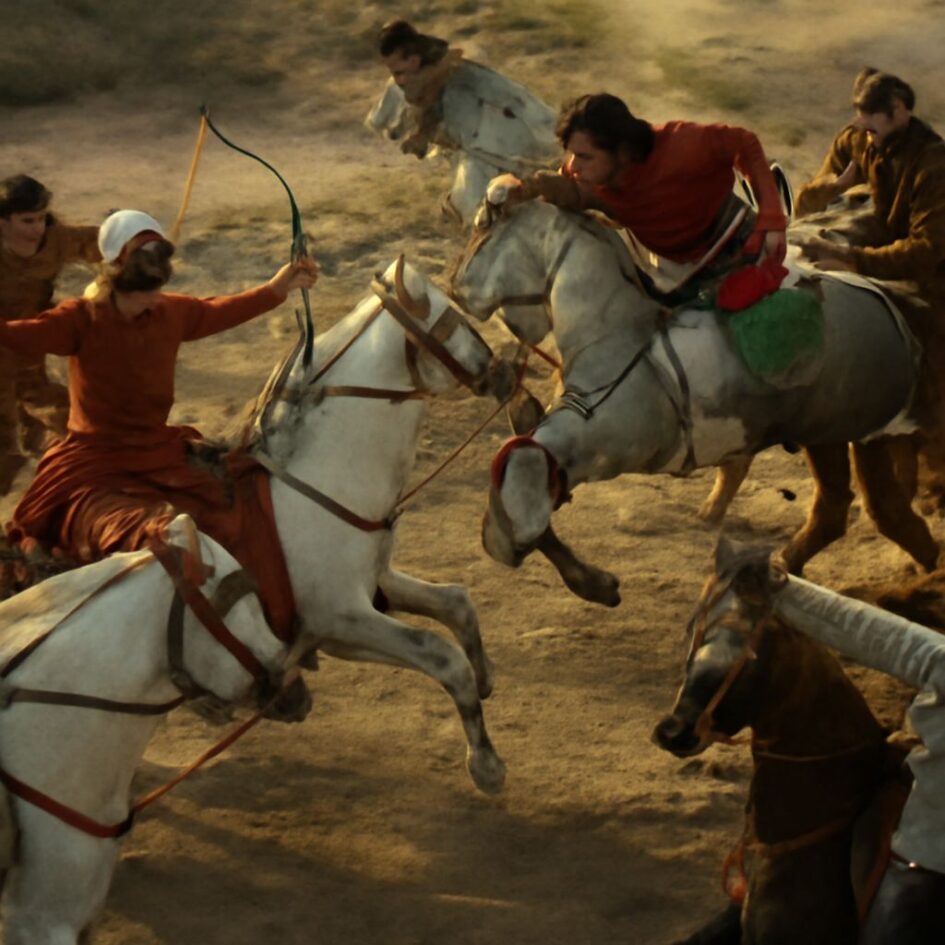
The Mahabharata is one of the largest and most significant epic tales in Indian literature. With its intricate narrative and profound philosophical themes, it occupies a central place in Hindu cultural and religious traditions. This article explores the definition of the Mahabharata, its authorship, and provides a summary of the epic’s main storyline.
What is the Mahabharata?
The Mahabharata is an ancient Indian epic that is often regarded as the longest epic poem in the world. It comprises over 100,000 shlokas or couplets, divided into 18 parvas or books. The text explores a wide range of human experiences and emotions, blending history, mythology, and religion. The Mahabharata is not only a story of a dynastic struggle for power between two groups of cousins, the Pandavas and the Kauravas, but also a comprehensive discourse on dharma (duty/righteousness) and morality.
Who wrote the Mahabharata?
The authorship of the Mahabharata is traditionally attributed to the sage Vyasa, also known as Vedavyasa. Vyasa is said to have composed the epic with the help of Lord Ganesha, who assisted in writing the text. It is believed that Vyasa composed the Mahabharata in Sanskrit, and it has been passed down through generations as an oral tradition before being documented in written form. The text has been attributed with multiple layers of interpolation and expansion over centuries, making Vyasa’s role more of a compiler and organizer of the narrative.
Summary of the Mahabharata
The Mahabharata centers around the Kurukshetra War between the cousins, the Pandavas and the Kauravas, for the throne of Hastinapura. The narrative begins with the ancestry of the two families and builds up to the conflict over the throne.
The Pandavas, comprising Yudhishthira, Bhima, Arjuna, Nakula, and Sahadeva, are the sons of King Pandu. In contrast, the Kauravas are the 100 sons of King Dhritarashtra, with Duryodhana being the eldest. The rivalry between the two factions intensifies when Duryodhana refuses to grant the Pandavas their rightful share of the kingdom, leading to the famous dice game where Yudhishthira loses everything, including his brothers and wife, Draupadi.
After years of exile, the Pandavas return to reclaim their kingdom, prompting the epic battle of Kurukshetra. This war, lasting eighteen days, features numerous heroic acts and tragic deaths, with prominent figures like Bhishma, Drona, Karna, and Abhimanyu playing crucial roles. The Bhagavad Gita, a sacred text and philosophical dialogue between Lord Krishna and Arjuna, is delivered on the battlefield, providing profound insights into duty, righteousness, and the path to liberation.
Ultimately, the Pandavas emerge victorious, but the win comes at a high cost, with immense loss of life and the realization of profound moral and ethical dilemmas. The epic concludes with the Pandavas embarking on their final journey to the Himalayas, seeking moksha or liberation, highlighting the transient nature of life and the futility of worldly attachments.