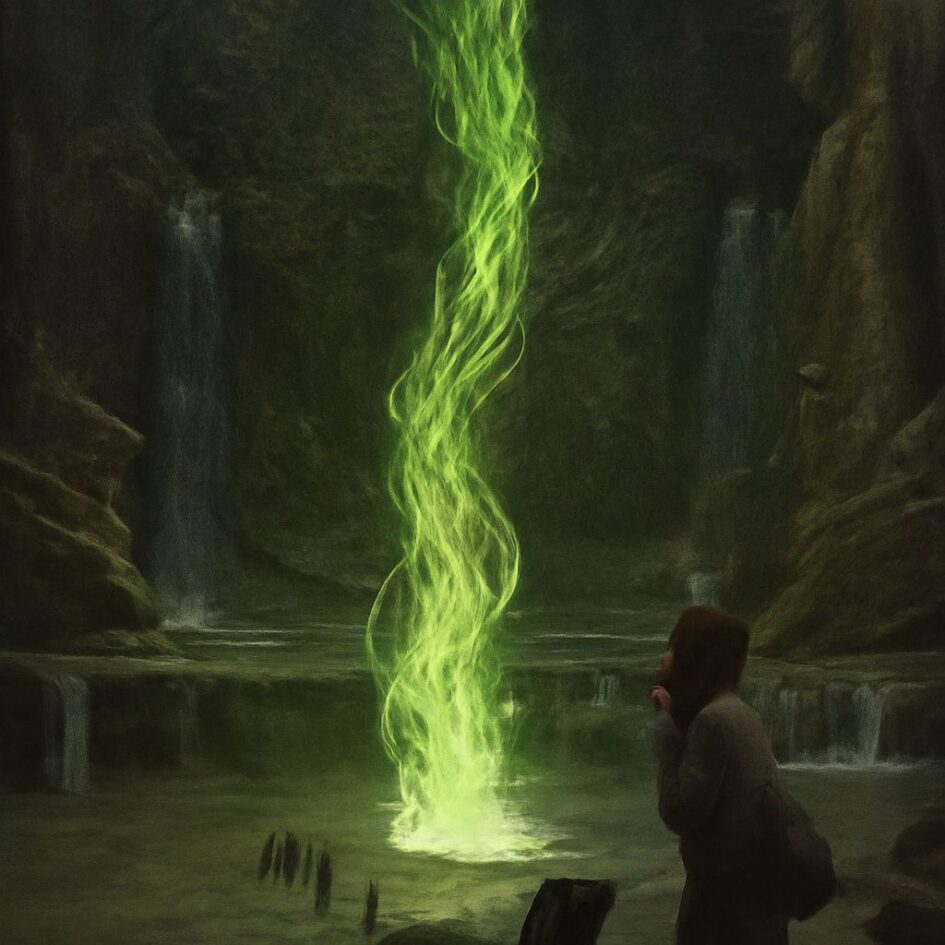
“The Outsider” by H.P. Lovecraft stands as one of the author’s most iconic stories, blending psychological horror with gothic atmosphere. First published in 1926, this short story explores the experience of an unnamed protagonist who escapes from a shadowy underground existence into a world that does not welcome him. This article provides the outsider hp lovecraft summary, examines key themes and atmosphere, places the story within Lovecraft’s wider body of work, and explains why “The Outsider” continues to endure within the horror genre.
Plot summary of The Outsider by H.P. Lovecraft
The narrative begins with the protagonist living in darkness and isolation beneath the earth. He has no memory of other people or the world above, only fragments of faded books and a longing for light and companionship. Driven by this yearning, he climbs a ruined staircase, passes through a tunnel, and emerges into the night. Upon reaching the surface, he finds himself amidst the ruins of a castle in a moonlit, unfamiliar landscape.
Moving toward a distant light, the outsider finds himself at a lively party inside a grand, unfamiliar house. The guests are dressed in finery and appear to be celebrating. When he enters, their reactions quickly shift from curiosity to terror. The protagonist seeks comfort among them but is met by screams and panic. Confused and desperate, he tries to approach the guests but they flee, unable to bear his presence.
It is only when the protagonist catches sight of himself in a mirror that he realizes the truth: he is a monstrous, corpse-like figure. Horrified, he understands why people recoil from him. The story ends with him fleeing into the night, now fully aware that he is “the outsider” in the world of the living, forever separated from human warmth and light.
Themes and atmosphere in The Outsider
Lovecraft’s story is built around the core themes of alienation, identity, and existential dread. The outsider’s quest for connection and self-understanding resonates throughout the narrative. His journey from darkness to light, only to be met with revulsion, serves as a metaphor for the pain of self-discovery and the fear of being fundamentally different from others.
The outsider lovecraft story also explores the boundary between life and death. The protagonist’s physical appearance, revealed only at the climax, links him to the world of the dead. This connection amplifies the horror of his existence and the story’s sense of despair. The motif of mirrors as a means of revelation underscores the terror of confronting one’s true self.
Atmosphere plays a central role in “The Outsider.” Lovecraft evokes classic gothic settings with ruined castles, moonlit landscapes, and eerie silence. The oppressive darkness of the underground world contrasts with the unsettling brilliance of the party above. The gradual buildup of unease, isolation, and mounting horror is characteristic of Lovecraft’s technique, immersing readers in the protagonist’s dread.
The Outsider’s place in Lovecraft’s body of work
“The Outsider” is often cited as a turning point in Lovecraft’s career. While it does not explicitly reference the Cthulhu Mythos, its focus on psychological horror and the theme of cosmic alienation anticipates motifs found in his later works. The story’s unnamed narrator and ambiguous setting allow for a universal reading, making it accessible to a wide audience while retaining Lovecraft’s signature ambiguity.
This story stands apart for its intimate, first-person perspective and emotional intensity. Unlike many of Lovecraft’s tales that rely on external cosmic horrors, “The Outsider” generates fear through introspection and the gradual realization of self. It also shares elements with other literary traditions, including Edgar Allan Poe’s tales of the grotesque and Mary Shelley’s Frankenstein, further broadening its appeal.
Within Lovecraft’s bibliography, “The Outsider” exemplifies his talent for merging psychological horror and the supernatural. Its success contributed to his growing reputation in pulp magazines and influenced the development of modern horror fiction.
Why The Outsider endures in horror literature
“The Outsider” maintains its impact due to its exploration of universal fears—rejection, isolation, and the terror of self-awareness. Its concise structure and gothic imagery provide a template for psychological and supernatural horror stories that followed. The ambiguous identity of the protagonist allows readers to project their own anxieties onto the narrative, enhancing its emotional resonance.
The story’s influence can be seen in subsequent works by horror authors and in adaptations across various media. “The Outsider” remains a frequent subject of analysis and discussion, celebrated for its haunting atmosphere and enduring themes. This combination of emotional depth and literary ambiguity ensures its continued relevance within both Lovecraft’s canon and the broader tradition of horror literature.