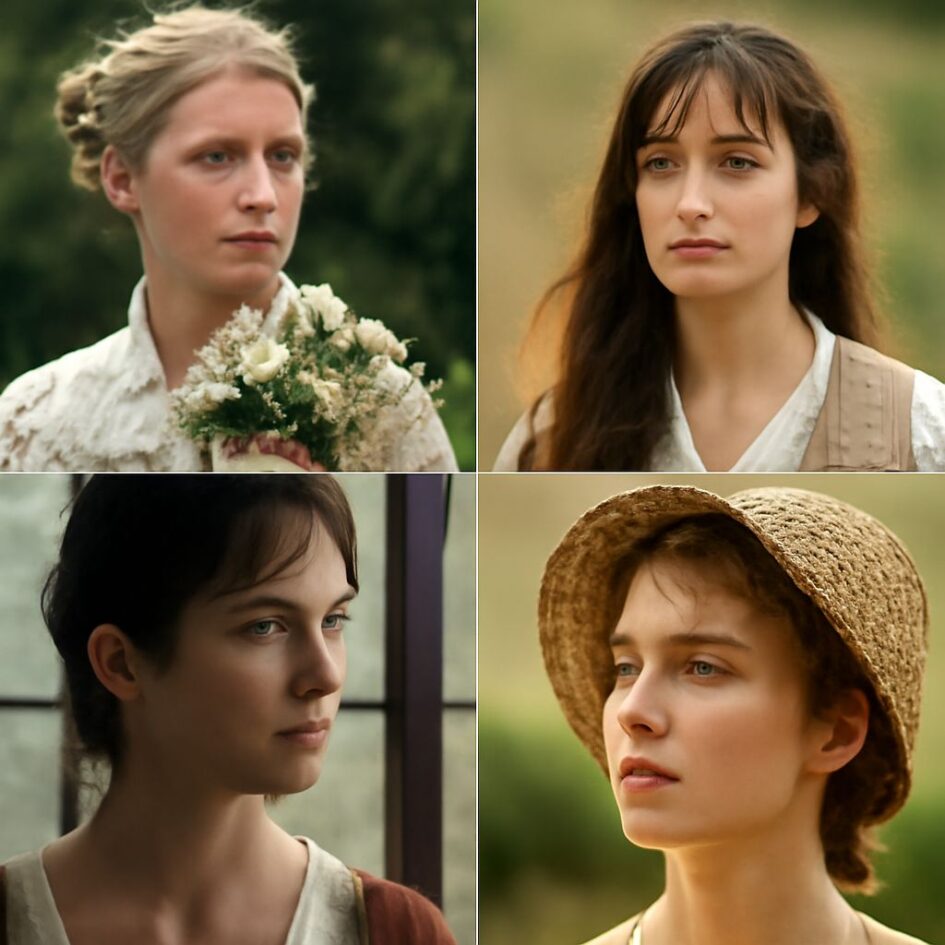
Jane Austen’s novels remain cornerstones of English literature, admired for their rich social commentary, masterful prose, and above all, for the memorable Jane Austen characters who populate their pages. Central among these are her heroines—individuals whose intelligence, complexity, and determination continue to resonate with readers. Examining what sets a Jane Austen heroine apart and exploring the most iconic examples provides insight into Austen’s enduring appeal and her lasting influence on literary character development.
What makes a Jane Austen heroine unique?
The defining traits of a Jane Austen heroine revolve around a nuanced blend of intellect, moral integrity, and self-awareness. Unlike many contemporaneous female characters bound by social convention, Austen’s heroines actively question the world around them. They express independent thought, often with subtle wit, and navigate societal expectations with a blend of caution and courage.
Jane Austen characters are rooted in realism, reflecting the limitations and opportunities of their time. Austen’s heroines, while often constrained by class, gender, and inheritance laws, demonstrate agency through their choices and responses to adversity. Their growth is neither dramatic nor implausible; rather, it is grounded in self-reflection and incremental change.
Personality diversity is another hallmark. From the spirited Elizabeth Bennet to the reserved Fanny Price, each heroine is shaped by her circumstances but develops a distinctive voice. This range allows readers to engage with varied perspectives on love, family, and personal fulfillment within the Regency era’s restrictive social structure.
Elizabeth Bennet: The enduring icon of wit and independence
No discussion of Jane Austen heroine archetypes is complete without Elizabeth Bennet, the central character of Pride and Prejudice. Elizabeth stands out as the quintessential example of Austen’s innovation in character design. Her sharp mind, playful wit, and refusal to marry for anything less than respect and affection defined a new kind of female literary figure.
Elizabeth’s journey is marked by her ability to recognize, and admit, her own prejudices—a rare quality in literary heroines of the time. She challenges societal norms, particularly regarding marriage, and values personal happiness over security or status. Her relationship with Mr. Darcy is shaped by mutual growth and honest self-appraisal, rather than merely romantic attraction.
This combination of independence, self-knowledge, and resilience ensures Elizabeth Bennet’s place not only at the top of Jane Austen characters but also among the most influential heroines in Western literature. Her enduring popularity reflects the universal appeal of a woman who is both relatable and aspirational.
Other unforgettable Jane Austen characters
While Elizabeth Bennet is often the face of the Jane Austen heroine, the author’s other protagonists also showcase a remarkable variety of strengths and vulnerabilities. Emma Woodhouse of Emma is clever and confident but learns humility and empathy through mistakes. Anne Elliot in Persuasion embodies patience and quiet perseverance, finding happiness after years of regret and missed opportunity.
Elinor Dashwood from Sense and Sensibility balances emotion with reason, displaying emotional maturity amid family hardship. Fanny Price in Mansfield Park offers a study in quiet resilience, remaining true to her principles despite external pressures. Catherine Morland of Northanger Abbey delights with her imagination and candor, eventually learning to distinguish between fantasy and reality.
Each heroine’s journey is both a personal coming-of-age and a commentary on the constraints placed upon women in Regency England. Their stories examine the interplay of character and circumstance, offering portraits of growth that reflect Austen’s commitment to authenticity.
Why Jane Austen’s heroines still matter today
The ongoing relevance of Jane Austen characters, especially her heroines, lies in their complexity and relatability. Modern readers continue to find inspiration in these women’s struggles for self-knowledge and autonomy. Austen’s nuanced portrayal of societal expectations, combined with her characters’ determination to find happiness on their own terms, offers timeless insight into the challenges of balancing personal desire with social duty.
Jane Austen heroines have influenced not only literary archetypes but also broader cultural conversations about gender, identity, and self-determination. Their resilience encourages readers to question conventions and embrace individuality. As a result, Austen’s work endures as both a literary touchstone and a source of motivation for those seeking agency in their own lives.