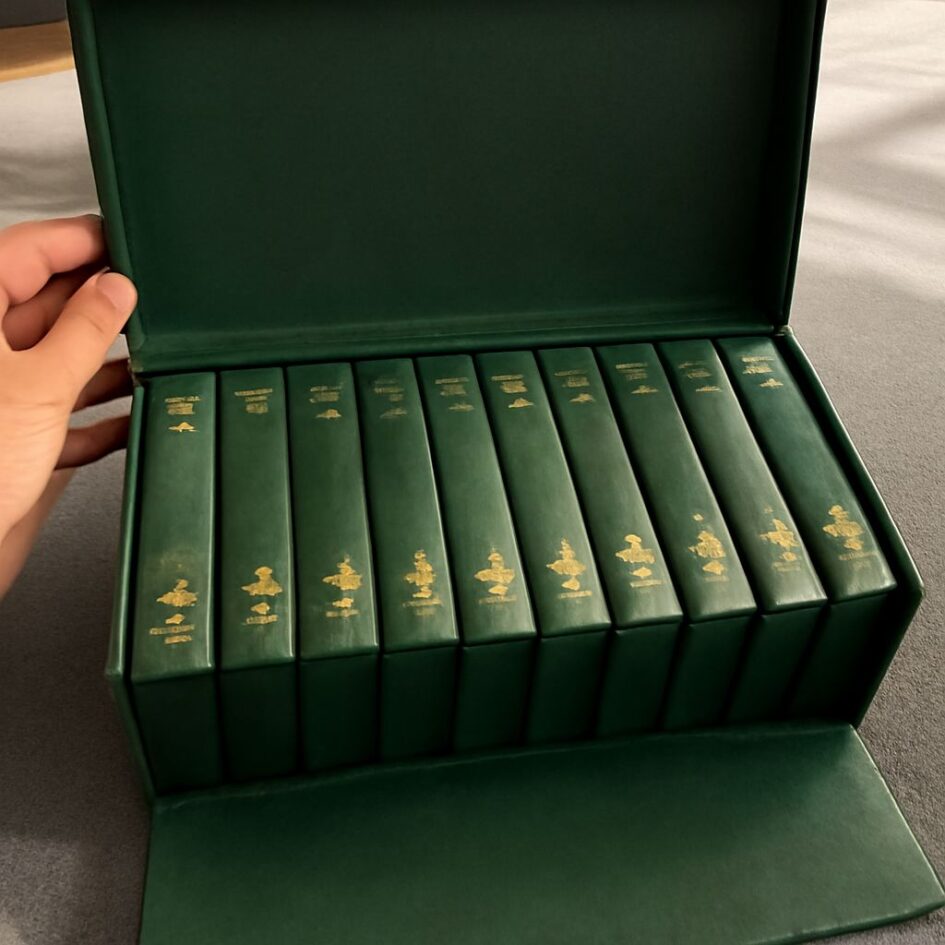
James Joyce, an eminent figure in 20th-century literature, is renowned for his innovative narrative techniques and profound exploration of the human condition. His works have left an indelible mark on modern literature, challenging conventional storytelling and influencing countless writers.
Introduction to James Joyce
Born in Dublin in 1882, James Joyce was an Irish novelist and poet whose works are known for their complexity and depth. With a style that evolved through his career, Joyce mastered the art of stream-of-consciousness, a narrative technique that offers readers insight into characters’ thoughts and emotions. His contributions to literature have made him a pivotal figure in the modernist literary movement.
Major works and their significance
Among James Joyce’s works, Ulysses is perhaps the most renowned. Published in 1922, this novel is celebrated for its elaborate structure and innovative use of language. It follows the journey of Leopold Bloom through a single day, paralleling Homer’s epic poem, The Odyssey. Joyce’s adept use of stream-of-consciousness provides a vivid exploration of the characters’ inner lives.
A Portrait of the Artist as a Young Man, another significant work, is a semi-autobiographical novel that traces the intellectual awakening of Stephen Dedalus, Joyce’s alter ego. This novel captures the struggle for personal identity and artistic expression, themes that are central to Joyce’s oeuvre.
Dubliners, a collection of short stories, offers a grim yet realistic portrayal of life in Dublin. Each story captures moments of epiphany, providing insight into the characters’ mundane lives and the societal constraints they face. This work is crucial in understanding Joyce’s critique of Irish society.
Themes and styles in Joyce’s writing
Joyce’s writing is characterized by a rich tapestry of themes and a distinctive style. His exploration of identity and the complexities of human consciousness are evident across his works. Stream-of-consciousness, intertextuality, and free indirect discourse are some of the techniques he employs to convey the intricacies of thought and experience.
Joyce often delves into themes of exile, belonging, and the search for meaning. His characters frequently grapple with societal expectations and personal aspirations, reflecting Joyce’s own experiences and observations of early 20th-century Ireland.
The impact of Joyce on modern literature
The impact of Joyce on modern literature is profound. His experimental narrative forms have inspired writers across generations to push the boundaries of storytelling. By breaking away from traditional narrative structures, Joyce expanded the possibilities of language and narrative, opening new avenues for literary exploration.
Authors such as Virginia Woolf and Samuel Beckett have drawn inspiration from Joyce’s pioneering techniques, incorporating elements of his style into their own works. Joyce’s influence extends beyond literature, affecting diverse art forms and inspiring explorations in fields such as psychology and philosophy.
In summary, James Joyce’s works continue to captivate readers and serve as a foundation for modern literary traditions. His innovative approach to language and narrative has left an enduring legacy, shaping the evolution of literature in the 20th century and beyond.