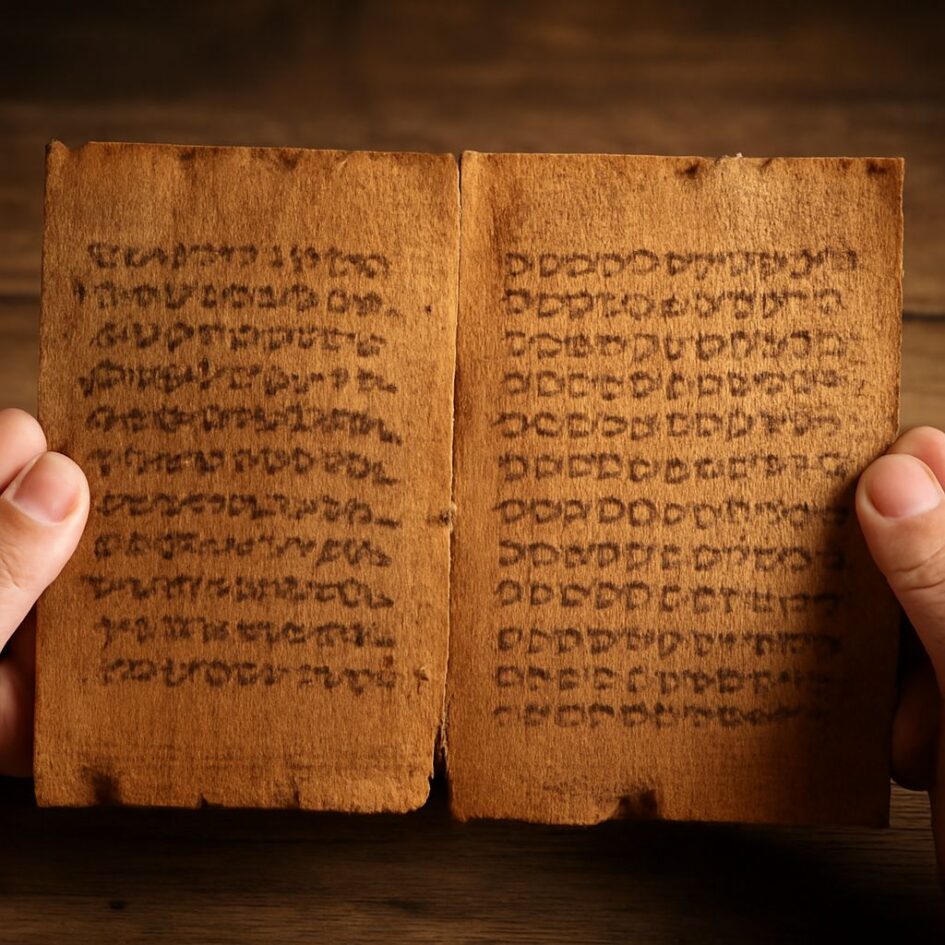
Ancient books and writings hold a profound place in the history of human civilization. They serve as portals to the past, offering insights into the thoughts, beliefs, and daily lives of our ancestors. These texts have shaped cultures, religions, and societies, making their preservation and study invaluable to understanding history and human development.
The significance of ancient books
Ancient books are significant not only for their content but also for their role in the transmission of knowledge over centuries. They form the bedrock of various disciplines, including philosophy, science, and literature. For instance, works like the Egyptian Book of the Dead provide essential insights into ancient Egyptian beliefs and burial practices, reflecting the civilization’s complex religious landscape.
Furthermore, these books often contain the earliest recorded versions of stories and ideas that have influenced countless generations. They offer a glimpse into the evolution of language and writing, showcasing the artistry and skill of ancient scribes. The materiality of these texts, often crafted from papyrus, parchment, or clay tablets, also reveals the technological advancements of their time.
Famous ancient writings and their impact
Several ancient writings have left an indelible mark on history. The Epic of Gilgamesh, one of the earliest known literary works, provides a narrative that echoes into modern storytelling, exploring themes of heroism, friendship, and the human quest for immortality. Similarly, the works of Homer, such as the Iliad and the Odyssey, have profoundly influenced Western literature, inspiring writers and artists for millennia.
Religious texts like the Bible, the Quran, and the Hindu Vedas are also considered ancient writings with widespread impact. They have shaped moral and ethical frameworks, influencing not just individual lives but entire cultures and legal systems. These texts continue to be studied for their philosophical and spiritual insights.
Preservation and study of ancient texts
The preservation of ancient texts is crucial for maintaining the continuity of knowledge. Over time, these writings have faced threats from natural decay, human conflict, and environmental conditions. Efforts to preserve them involve meticulous conservation techniques, such as controlling humidity and temperature, repairing damaged materials, and using digital technology to create backups.
Scholars and historians play a vital role in deciphering and interpreting these texts. The study of ancient writings often requires knowledge of obsolete languages and scripts, such as Latin, Ancient Greek, or Hieroglyphics. Modern technology, including imaging and AI, assists in uncovering new information and making these texts accessible to a broader audience.
The ongoing study of ancient books and writings not only enriches our understanding of history but also helps us appreciate the enduring power of the written word in shaping human civilization.