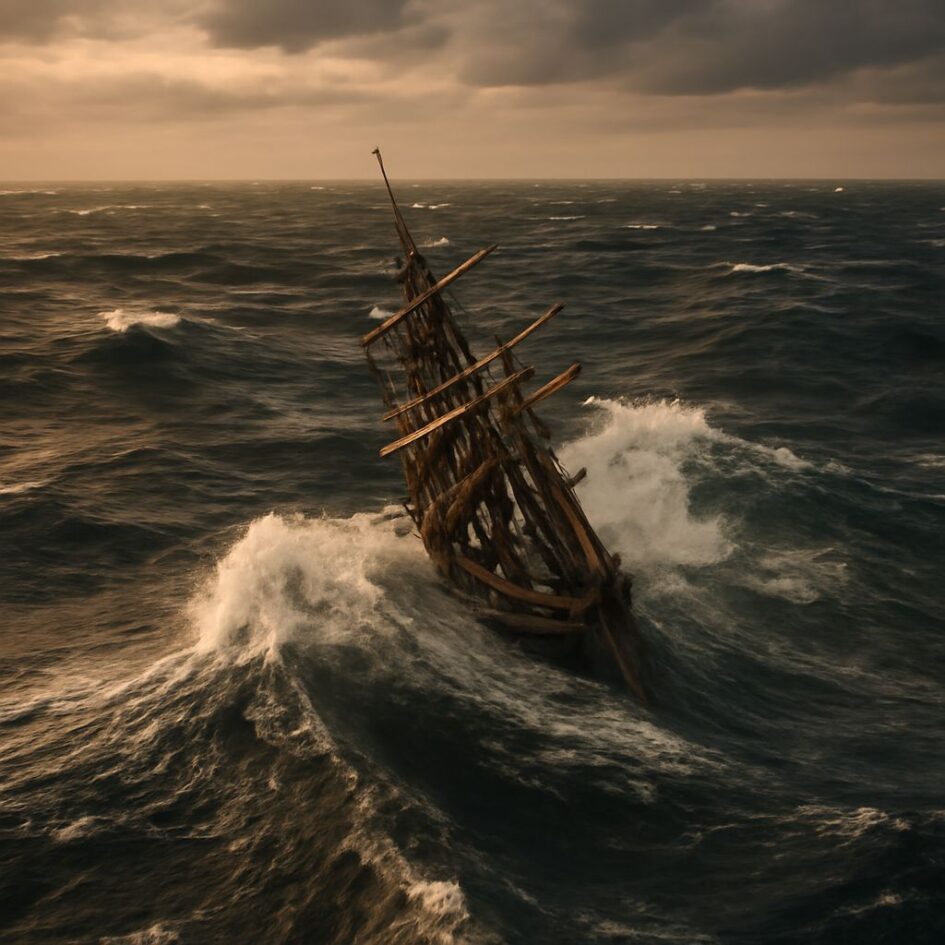
“The Rime of the Ancient Mariner” is a renowned poem by Samuel Taylor Coleridge, first published in 1798. As a pivotal work in the Romantic literature movement, it captivates readers with its rich narrative and thematic depth. The poem tells the story of an old mariner who recounts his harrowing sea voyage, marked by supernatural elements and profound moral lessons. This article explores the central themes of the poem, focusing on the famous line “water water everywhere” and the character analysis of the ancient mariner.
Introduction to ‘The Rime of the Ancient Mariner’
Coleridge’s “The Rime of the Ancient Mariner” is a narrative poem that blends adventure with the supernatural. The story begins with the mariner stopping a wedding guest to tell him about his past voyage. During the journey, the mariner’s decision to shoot an albatross brings misfortune to him and his crew. The narrative unfolds with themes of guilt, redemption, and man’s relationship with nature, showcasing the Romantic era’s emphasis on emotion and the natural world.
The significance of ‘water water everywhere’
The line “water water everywhere” is perhaps the most famous in the poem and underscores the theme of irony and despair. The mariner and his crew find themselves surrounded by an endless expanse of water, yet they are unable to drink it due to its salinity. This situation highlights the contrast between abundance and scarcity, serving as a metaphor for missed opportunities and the consequences of disrespecting nature. It reflects the mariner’s helplessness and the dire consequences of his actions, emphasizing the need for harmony with the natural world.
Character analysis of the ancient mariner
The ancient mariner is a complex character whose journey is symbolic of transformation and redemption. Initially, he is portrayed as impetuous and disrespectful toward nature, as evidenced by his thoughtless killing of the albatross. This act sets off a chain of tragic events, forcing the mariner to confront the weight of his guilt and isolation. As the story progresses, he undergoes a significant transformation, learning to appreciate the beauty and sanctity of all living creatures. His eventual redemption comes through penance and his newfound ability to pray and bless the sea creatures he once disregarded. The mariner’s tale is a cautionary one, illustrating the importance of respect and reverence for nature and the interconnectedness of all life.