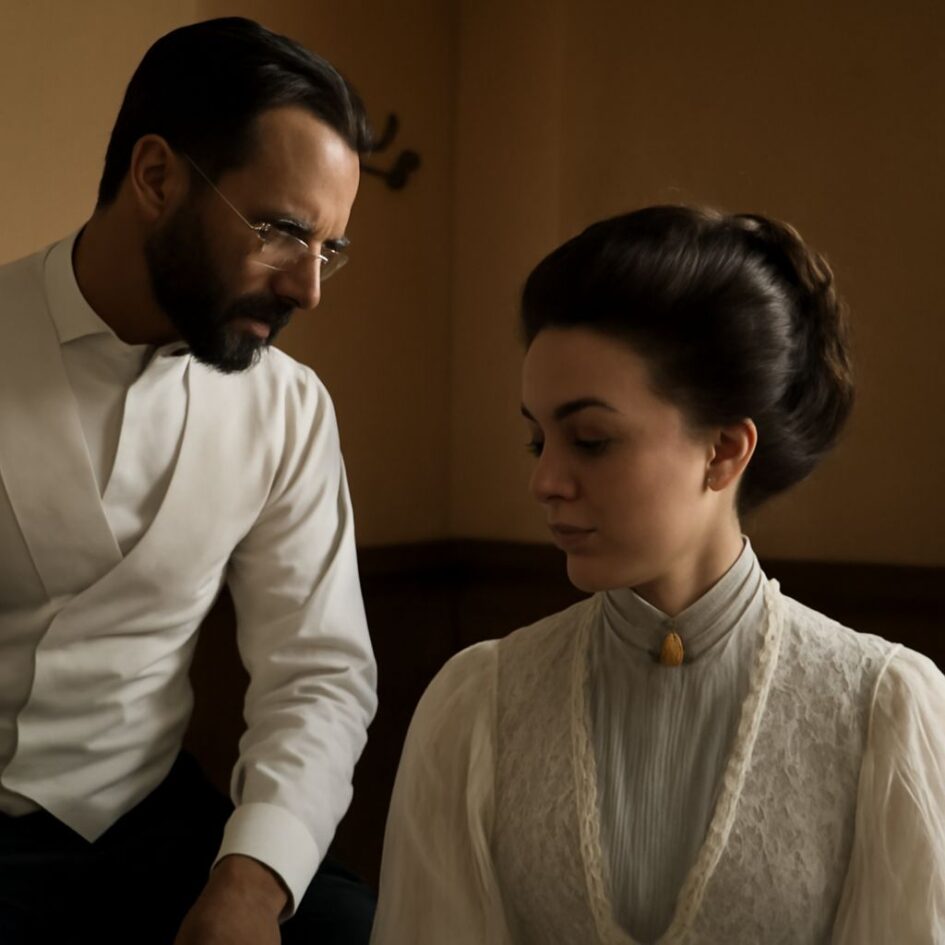
James Joyce’s “The Dead” is a masterful short story that forms the final tale in his collection, “Dubliners.” This literary piece stands out for its profound exploration of human emotions and relationships, making it a staple in discussions of modernist literature. By delving into the narrative power, storytelling techniques, and rhetorical elements of “The Dead,” readers gain a deeper appreciation of Joyce’s artistry.
Understanding the narrative power of ‘The Dead’
The narrative power of “The Dead” lies in its ability to convey complex emotions and themes through a seemingly simple storyline. Joyce uses Gabriel Conroy, the protagonist, to represent the struggles of identity and self-awareness. The story unfolds during a holiday gathering of friends and family, yet beneath this surface lies a profound exploration of life, death, and the passage of time.
Joyce’s narrative technique involves a detailed depiction of the setting and characters, which immerses readers into the world of early 20th-century Dublin. The subtle interactions and dialogues among characters reveal their innermost thoughts and feelings, allowing Joyce to explore universal themes of love, loss, and existential reflection. This depth of narrative power is what makes “The Dead” a compelling and enduring piece of literature.
Storytelling techniques used by James Joyce
James Joyce employs several storytelling techniques in “The Dead” that enhance its narrative impact. One of the most notable is his use of free indirect discourse, which blends third-person narration with the thoughts and speech patterns of Gabriel Conroy. This technique provides readers with insight into Gabriel’s internal conflicts and emotional evolution.
Another technique is Joyce’s meticulous attention to detail. Descriptive passages create vivid imagery and set the mood for the story. For example, the festive yet melancholic atmosphere of the Christmas party is portrayed through detailed accounts of the decorations, music, and food. This sensory richness not only paints a vivid picture but also mirrors the underlying tension and emotional complexity of the characters.
Joyce also utilizes epiphany as a key storytelling device. The story culminates in Gabriel’s moment of realization, where he contemplates his own mortality and the fleeting nature of life, prompted by his wife Gretta’s emotional revelation about a past love. This epiphany is a hallmark of Joyce’s storytelling, providing a poignant climax that resonates with readers.
Rhetorical elements in ‘The Dead’
The rhetorical elements in “The Dead” contribute significantly to its thematic depth and emotional resonance. Joyce’s use of symbolism is particularly effective, with snow serving as a central motif. The snow, described as falling softly over Dublin, symbolizes both the universality of human experience and the inevitability of death, uniting all characters in their mortality.
Joyce’s mastery of language is evident in his use of irony and understatement, which add layers of meaning to the narrative. For instance, the seemingly mundane conversations at the party are imbued with ironic undertones that reveal the characters’ unspoken desires and regrets. This subtle use of irony heightens the emotional impact of the story.
Additionally, Joyce employs rhythm and musicality in his prose, enhancing the lyrical quality of the narrative. This is particularly evident in the closing passage, where the lyrical repetition and cadence of the sentences evoke a sense of melancholy and introspection, mirroring Gabriel’s inner turmoil.
In “The Dead,” James Joyce masterfully combines narrative power, storytelling techniques, and rhetorical elements to create a profound exploration of human experience. His ability to weave intricate themes into a seemingly simple story is what makes “The Dead” a timeless work of art, captivating readers with its poignant and insightful portrayal of life and its complexities.